
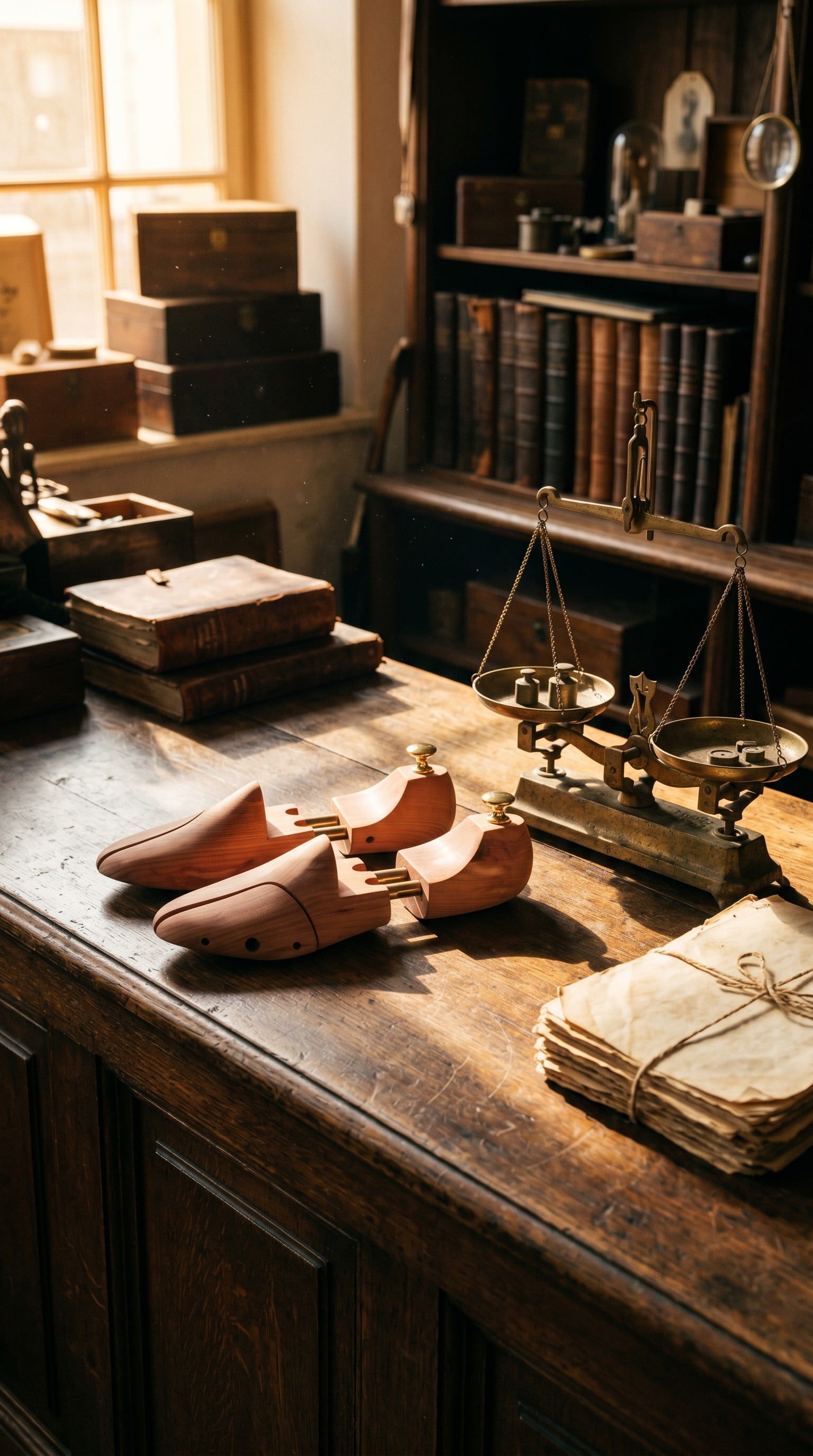
Natural Moisture Absorption and Odor Control: Core Cedar Shoe Tree Benefits A cedar shoe tree does more than maintain shape—it actively manages the microclimate inside your footwear. Unfinished red cedar’s unique cellular structure and ...
VIEW MORE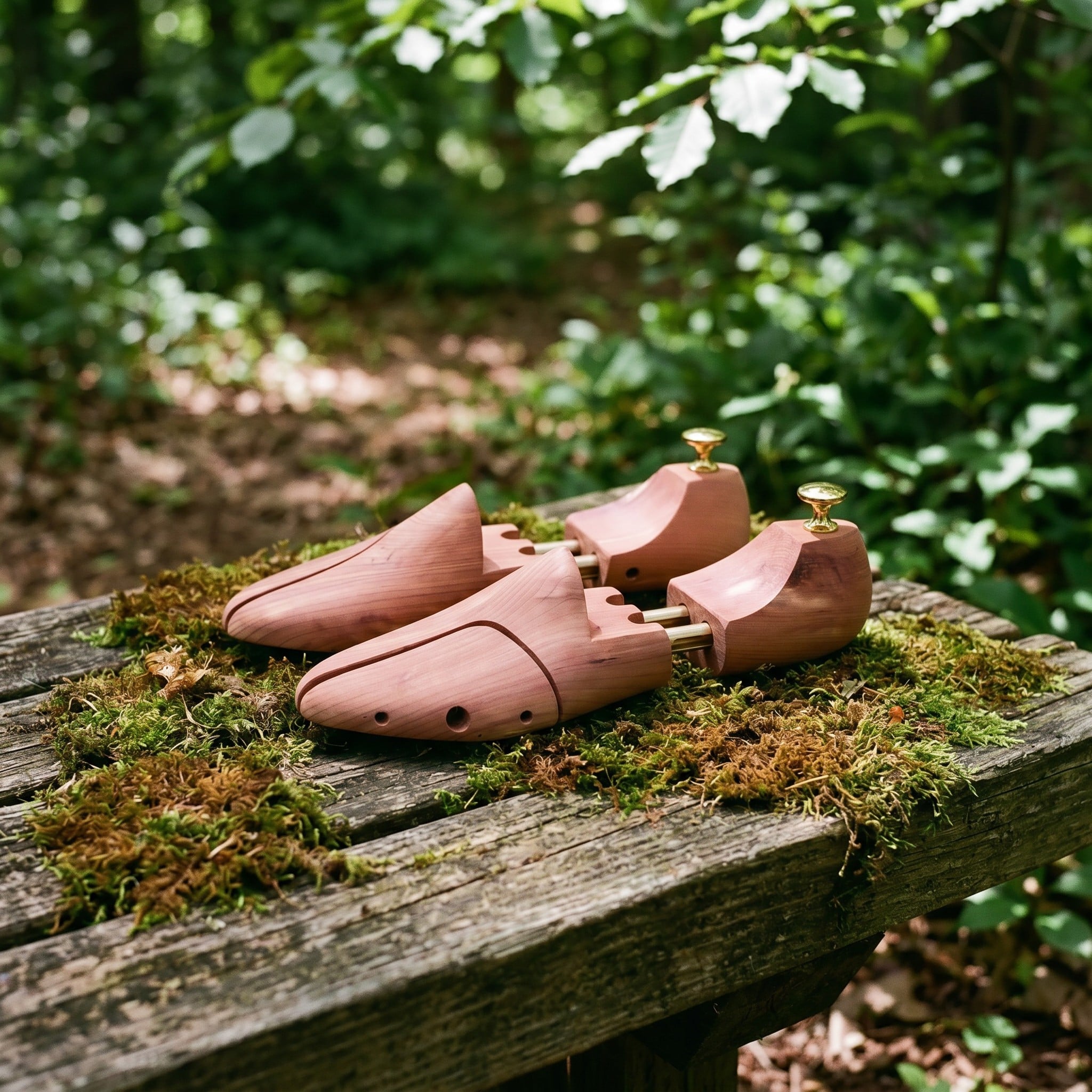
Leather shoes can develop unpleasant odors over time, especially when moisture from daily wear remains trapped inside the footwear. Sweat, humidity, and limited airflow create conditions that allow odor to build up. Aromatic wooden shoe trees, especi...
VIEW MORE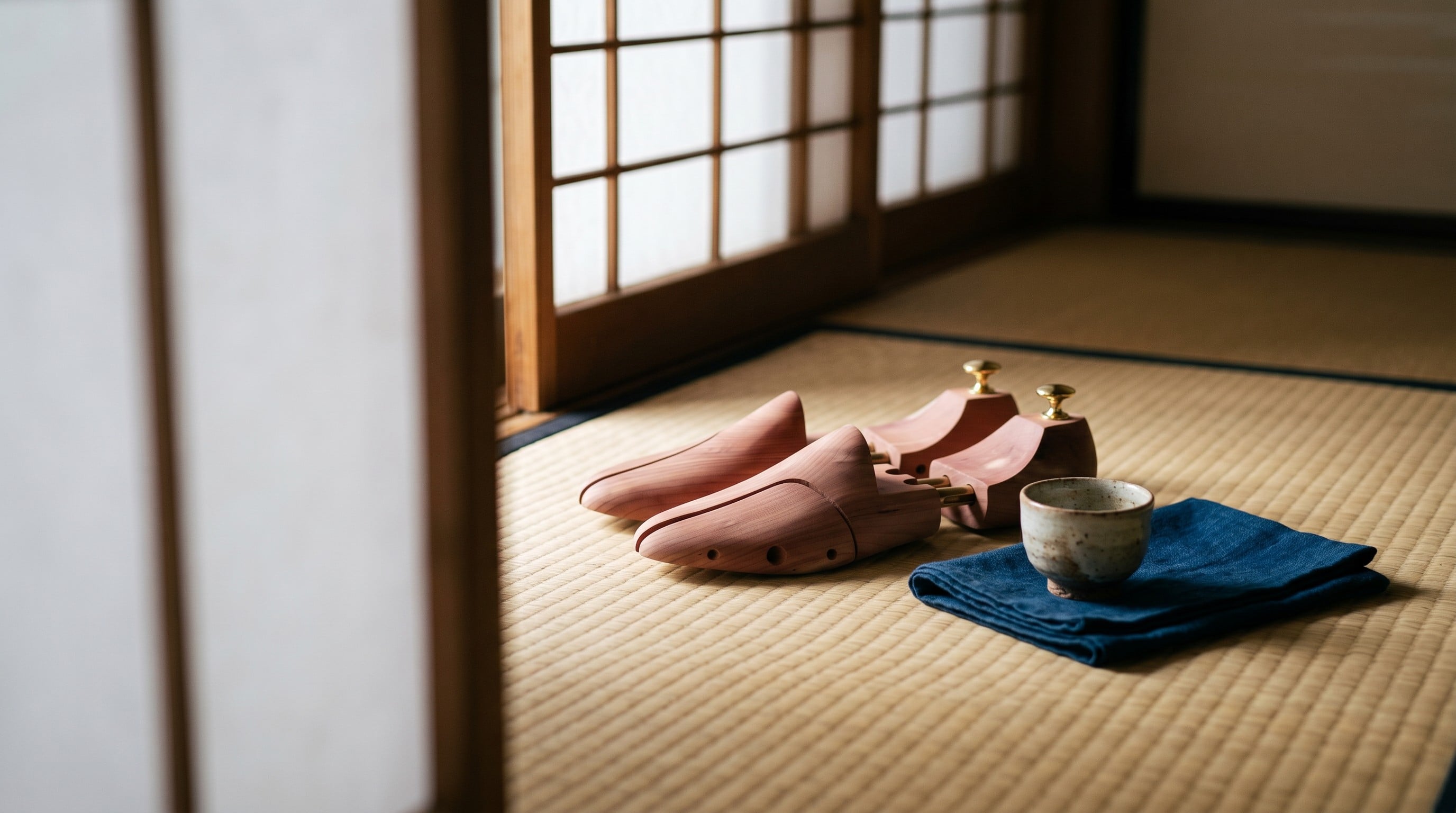
Leather shoes naturally develop creases as the upper bends during walking. Over time, repeated flexing, pressure, and improper storage can make these folds become more noticeable. A shoe tree helps reduce this effect by supporting the internal struct...
VIEW MORE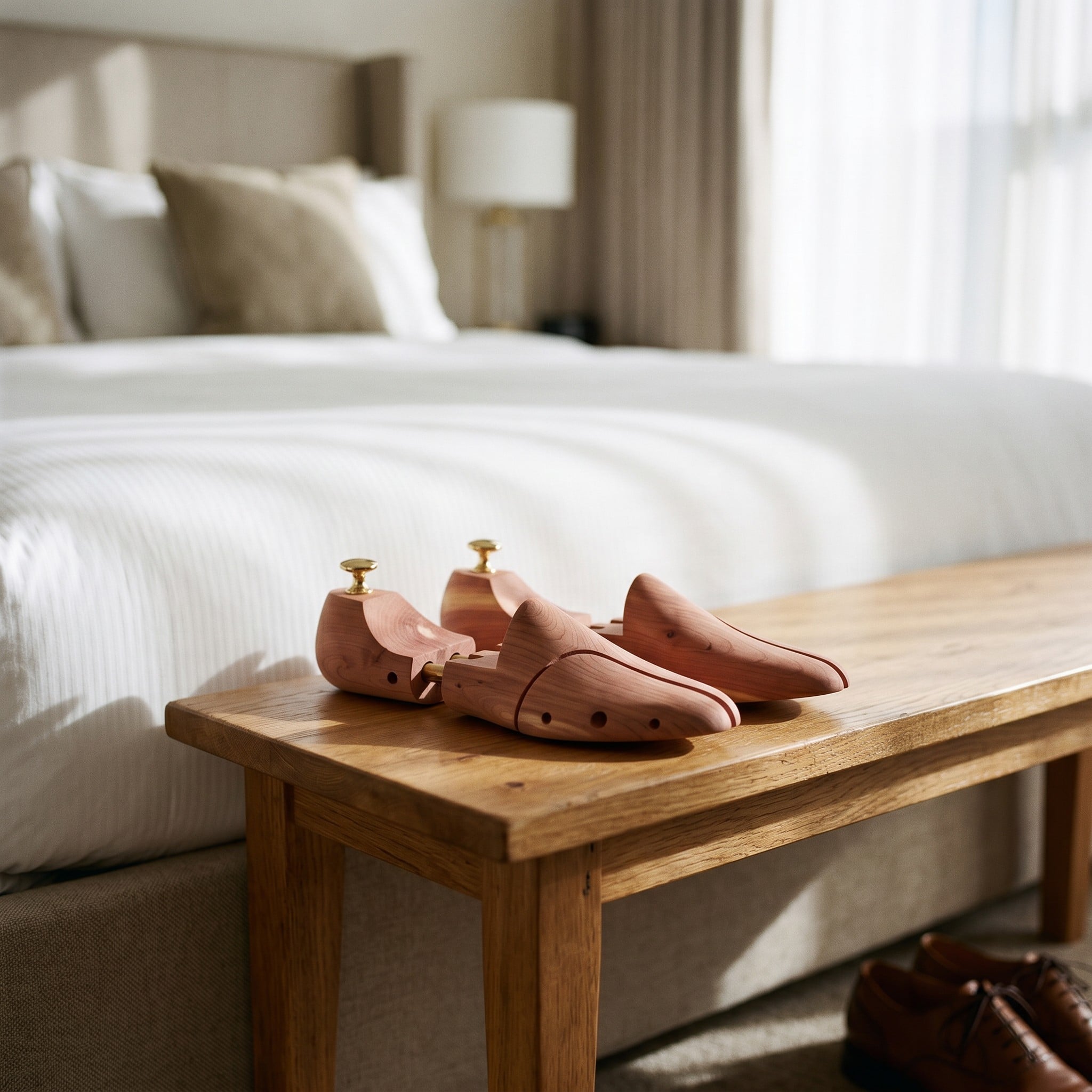
A two way shoe stretcher is designed to help users adjust the fit of footwear by expanding both width and length areas. Compared with simple shoe stretchers that focus on one direction, two way models provide more flexibility by allowing adjustment o...
VIEW MORE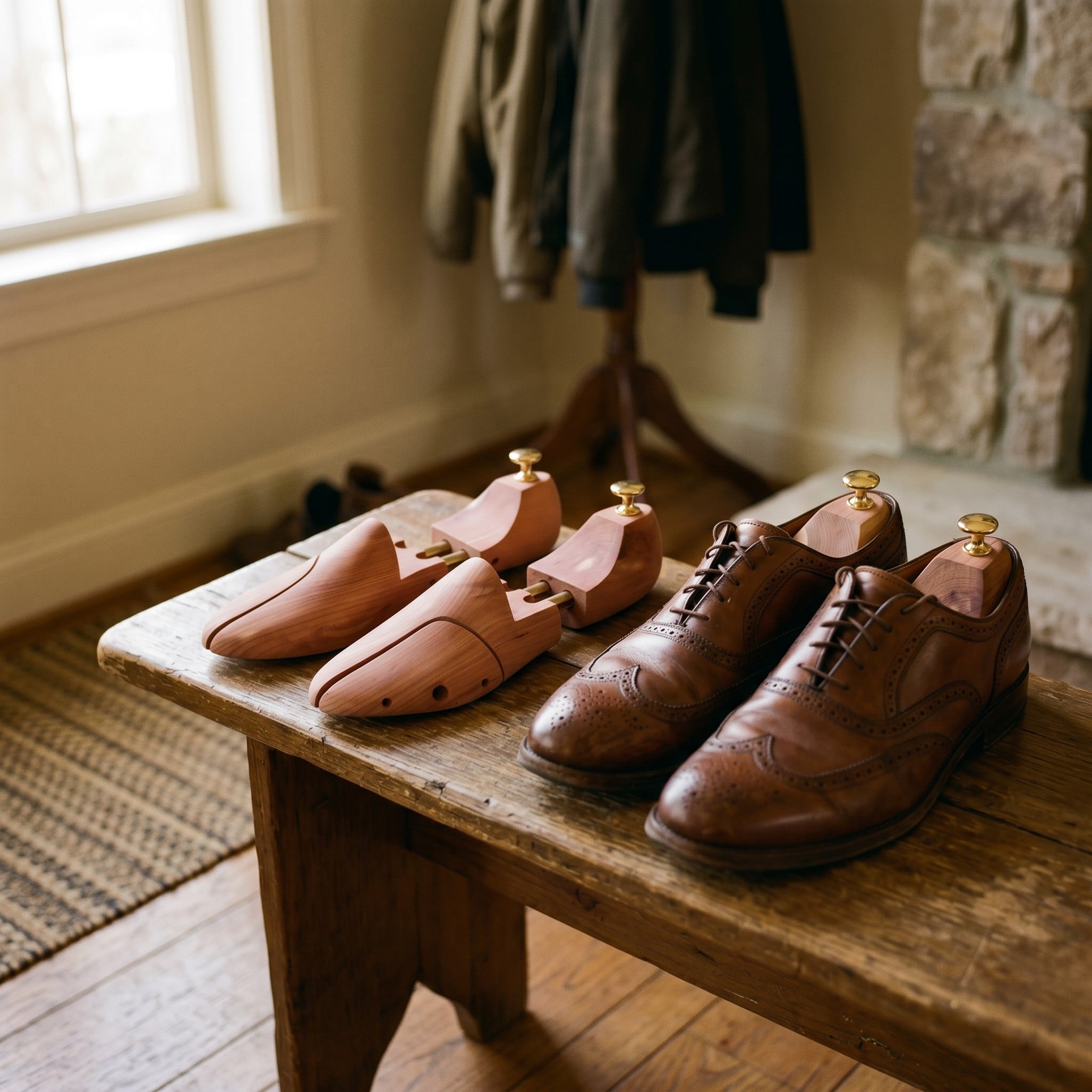
A shoe tree is an essential accessory for maintaining leather footwear shape and supporting long-term shoe care. Among different materials available, cedar wood has become one of the most popular choices for wooden shoe trees because of its natural m...
VIEW MORE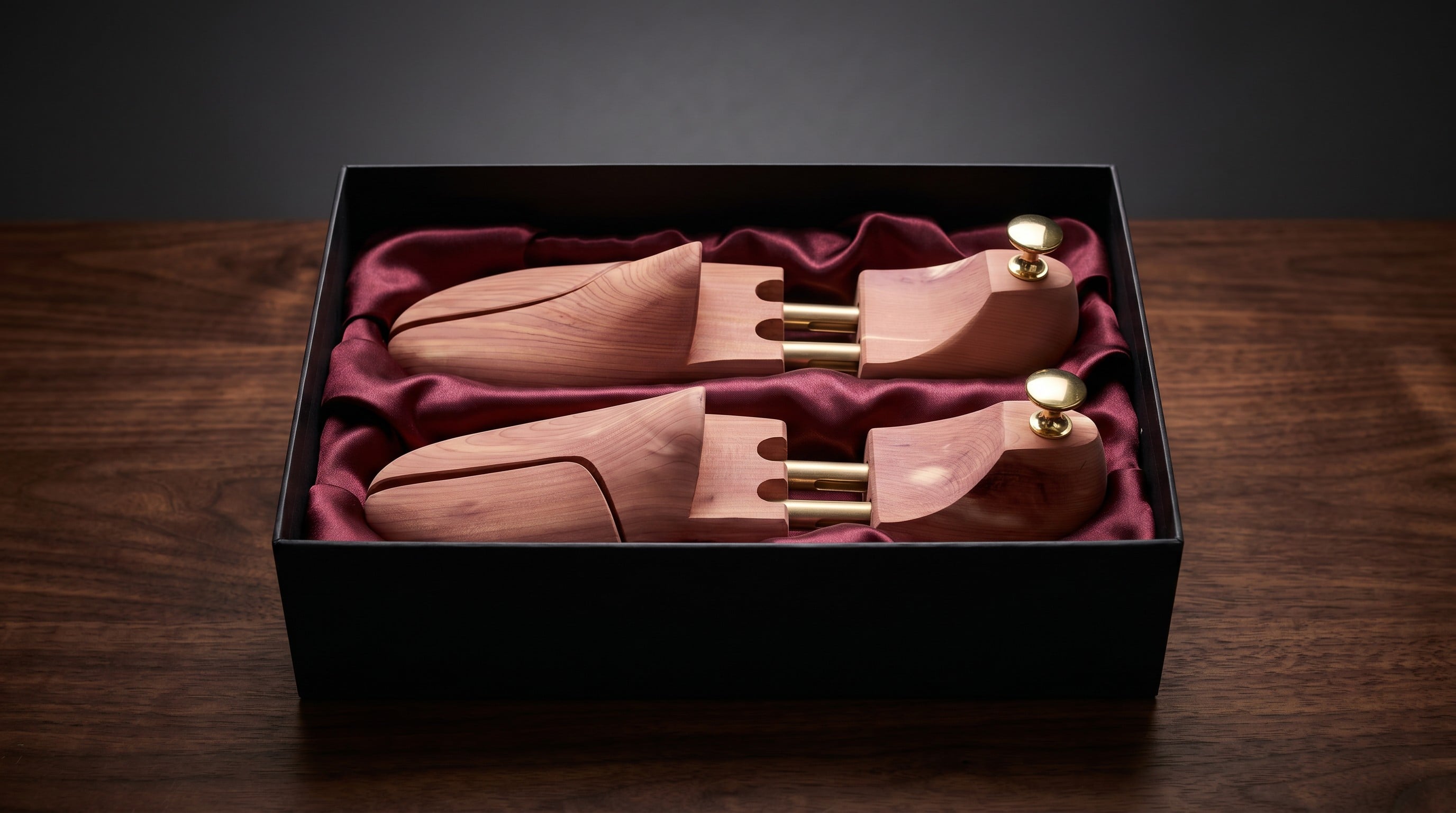
A quality shoe tree plays an important role in helping leather footwear maintain its original shape, reduce creasing, and manage moisture after daily wear. However, not all shoe trees are made from the same materials. The type of wood or material use...
VIEW MORE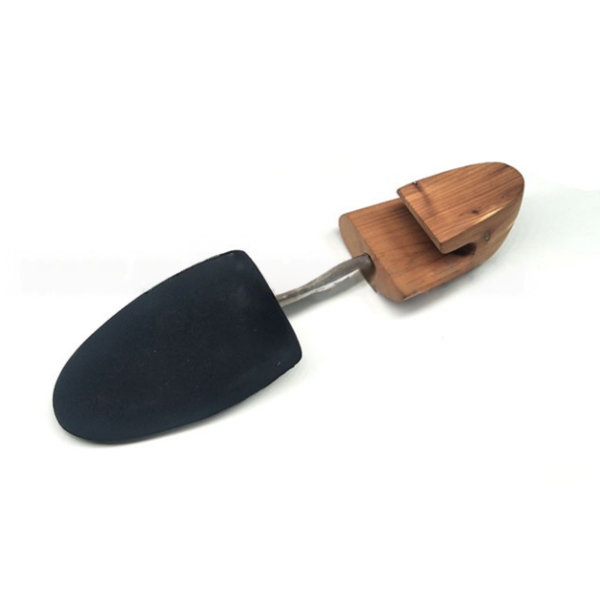
Narrow leather footwear remains a common source of daily foot discomfort. Many buyers select standard shoe sizes only to find limited inner width compressing toes and forefoot during long walks. Sustained pressure leads to recurring soreness and ski...
VIEW MORE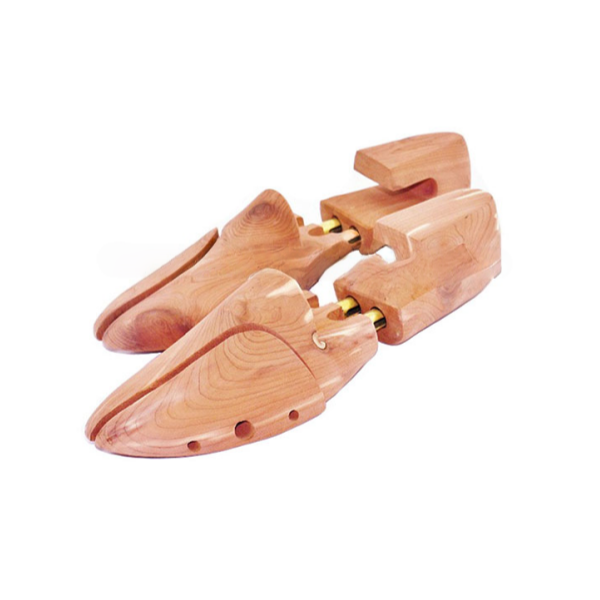
A wooden shoe tree relies on natural timber properties to deliver shaping and dehumidifying functions for leather shoes. Different timber types carry distinct density, porosity and chemical characteristics. Raw material selection directly decides du...
VIEW MORE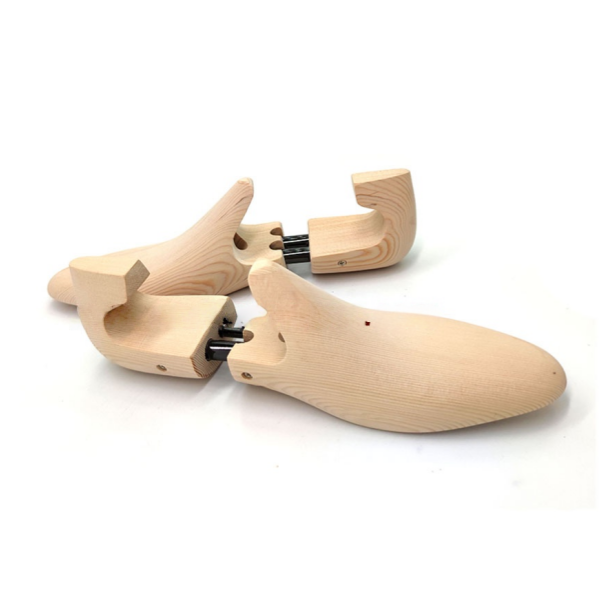
Tight leather shoes bring continuous discomfort during daily walking, and many users turn to a shoe stretcher to adjust internal space. Incorrect operation easily triggers irreversible issues including leather tearing, uneven bulges and permanent sh...
VIEW MORE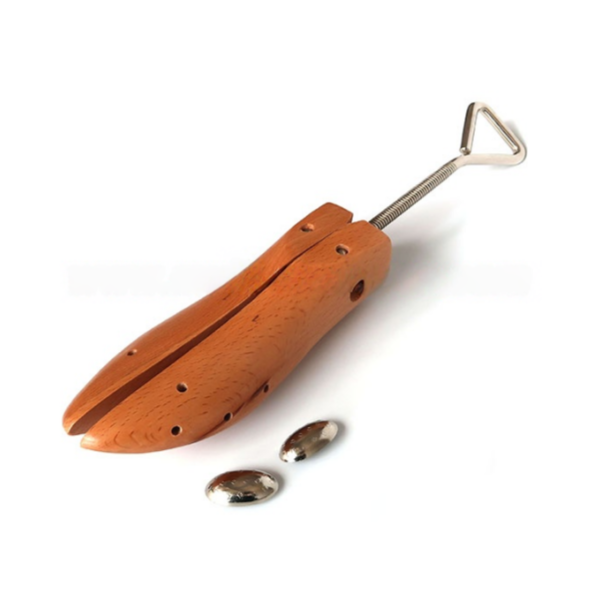
High-quality leather shoes represent a meaningful investment for private wear and commercial footwear inventory management. Daily maintenance directly decides how leather footwear keeps its silhouette and surface condition after years of use. A shoe...
VIEW MORE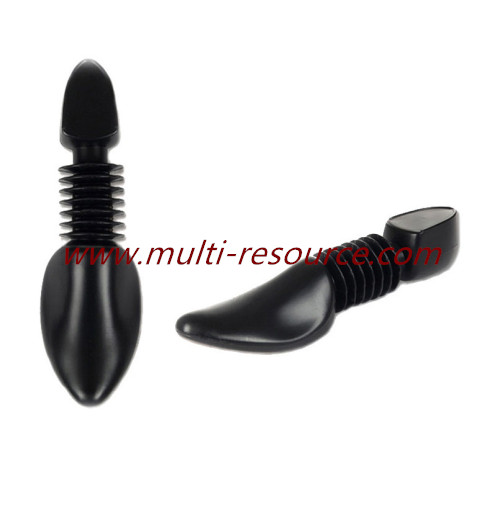
Many leather shoes turn uncomfortably tight after purchase or long storage. Leather shrinkage, unique foot shapes and unified factory sizing create persistent fitting discomfort. Improper widening attempts easily trigger permanent leather damage and...
VIEW MORE EN
EN