 EN
EN

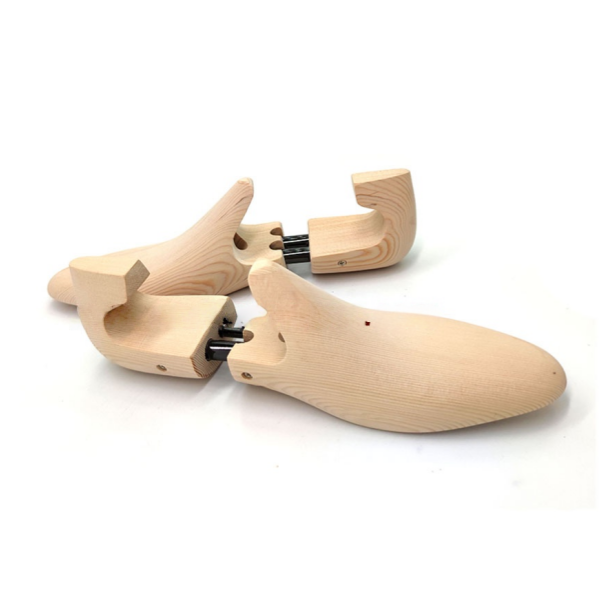
Tight leather shoes bring continuous discomfort during daily walking, and many users turn to a shoe stretcher to adjust internal space. Incorrect operation easily triggers irreversible issues including leather tearing, uneven bulges and permanent shape distortion. Mastering standardized workflows helps safely widen tight leather shoes while protecting leather structure and retaining the original appearance of footwear.
Preparations Before Operating Shoe Stretcher
Check Leather Condition to Judge Stretching Potential
Not all leather materials support effective stretching. Inspect the surface coating, hardness and aging degree before using a shoe stretcher. Full-grain leather and soft genuine leather own good ductility and adapt well to mechanical stretching. Heavily finished, hardened leather or cracked aged leather holds limited stretching space. Applying force on fragile leather areas accelerates fiber breakage. Any existing scratches or surface damage on leather shoes require extra cautious stretching parameter setting to prevent further deterioration.
Select Matching Accessories and Auxiliary Supplies
Most shoe stretcher kits contain detachable pressure plugs for localized stretching. Pick suitable plugs according to actual tight areas such as toe sides or instep. Leather stretching spray serves as a common auxiliary material, softening compact leather fibers and lowering tension during expansion. Avoid liquid agents with strong corrosive ingredients, which fade leather color and damage surface finishing. Confirm the overall size of the shoe stretcher fits the shoe cavity; oversized tools cannot be fully inserted and scratch inner lining easily.
Step-by-Step Safe Operation Workflow of Shoe Stretcher
Gradual Expansion Control to Avoid Over-Stretching
Safe stretching relies on slow and steady tension adjustment. Insert the assembled shoe stretcher into the leather shoe first without expanding the structure. Turn the adjusting screw moderately to generate gentle outward tension. Do not twist the screw to maximum range in one movement. Maintain tension for several hours, then check fitting status. If extra width remains necessary, increase tension slightly and carry out another stretching cycle. Progressive expansion leaves sufficient time for leather fibers to adapt to new dimensions and avoids sudden structural rupture.
Targeted Adjustment for Different Tight Positions
Tight spots rarely cover the whole shoe evenly. When toe box feels crowded, install round pressure plugs inside the front section of the shoe stretcher. For high instep pressure, place dedicated instep plugs to lift the vamp locally. Side squeezing problems require slight width adjustment without extra vertical tension. A shoe stretcher delivers the best results when tension concentrates exactly on uncomfortable zones. Uniform full-shoe stretching wastes adjustment space and changes the natural silhouette unnecessarily.
Practical Application Case & Industry Standards
Independent Shoe Repair Shop Stretching Service Case
A local shoe repair workshop received frequent complaints about uneven stretching results before standardizing shoe stretcher operation. Staff often adjusted tools to maximum tension directly, leading to customer returns caused by leather bulges and split seams. The workshop formulated a gradual stretching rule and matched pressure plugs for different discomfort areas. After adopting this process, complaints related to stretching defects dropped sharply. Every pair of tight leather shoes achieved balanced widening without visible surface damage.
ANSI Guidelines for Leather Footwear Mechanical Adjustment
ANSI Z41 standards specify requirements for mechanical modification of leather footwear. The document emphasizes progressive tension application instead of instant maximum force to protect leather fiber integrity. Professional footwear technicians refer to these specifications when using a shoe stretcher for commercial stretching services. Proper controlled stretching complies with standard requirements and reduces liability risks caused by footwear damage during adjustment.
Common Mistakes to Avoid When Using Shoe Stretcher
Multiple misoperations reduce stretching effect and harm leather. Never leave a shoe stretcher under extreme tension for more than 12 hours continuously. Do not reuse the tool on damp leather, as wet fibers stretch excessively and lose elasticity after drying. Skip frequent repeated stretching cycles within a short period. After finishing stretching, let leather shoes rest naturally instead of wearing them immediately, allowing fibers to stabilize under new shape. Clean the surface of shoe stretcher regularly to remove burrs that scratch inner leather lining.
Correct manipulation makes a shoe stretcher a reliable solution for tight leather shoes. Careful pre-inspection, gradual tension control and targeted adjustment balance fitting demands and leather protection, helping users gain comfortable footwear without permanent material damage.
Frequently Asked Questions
How long should each stretching cycle last when using a shoe stretcher?
General stretching cycles last 4 to 8 hours. Severely tight leather shoes can extend to 10 hours, yet continuous tension over 12 hours raises risks of leather deformation.
Does every tight leather shoe need stretching spray before stretching?
Stretching spray optimizes ductility for stiff leather. Soft new leather can skip this step, while rigid aged leather benefits greatly from proper pre-treatment.
Can shoe stretcher adjust both width and instep height at the same time?
Two-way shoe stretcher supports simultaneous width and instep adjustment. Single-way models mainly expand shoe width and cannot lift the vamp effectively.
Is it possible to repair over-stretched leather shoes after misoperation?
Over-stretched leather fibers cannot shrink back completely. Minor over-stretching can be relieved by leather conditioning, while serious distortion leads to permanent changes.
Can shoe stretcher work on leather boots with tall shafts?
Standard shoe stretcher suits shoe toe and forefoot areas. Tall leather boots need extended stretching tools to handle shaft tightness separately.
What signs show leather receives excessive tension during stretching?
Visible surface bulges, fine surface cracks and separated stitching serve as warning signals. Reduce tension immediately once these marks appear on leather shoes.