 EN
EN

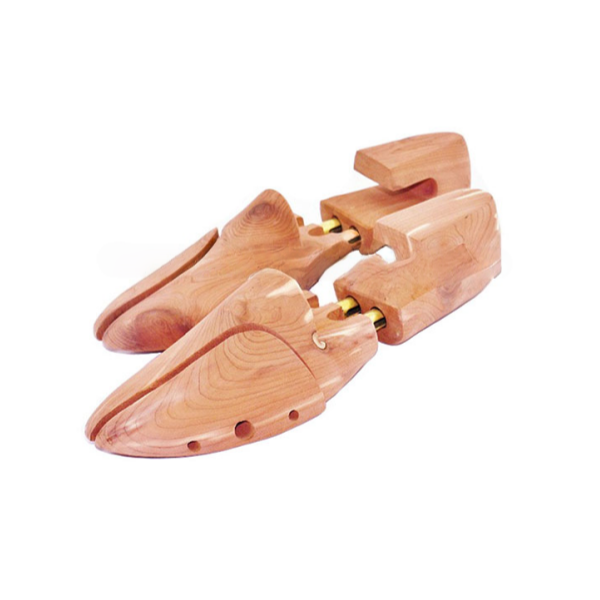
A wooden shoe tree relies on natural timber properties to deliver shaping and dehumidifying functions for leather shoes. Different timber types carry distinct density, porosity and chemical characteristics. Raw material selection directly decides durability, moisture absorption capacity and odor control effect of wooden shoe tree. Learning about suitable wood varieties helps buyers pick premium wooden shoe tree that supports long-term leather shoe maintenance.
Core Performance Requirements for Wooden Shoe Tree Timber
Natural Moisture Absorption and Humidity Regulation
The primary advantage of a wooden shoe tree over plastic versions comes from passive moisture exchange. Qualified timber needs porous internal structure to absorb residual sweat and humidity inside leather footwear after wear. Balanced moisture absorption prevents leather from staying damp without extracting excessive moisture that causes leather overdrying. Wood with overly dense texture lacks sufficient pores and fails to provide reliable humidity adjustment during shoe storage.
Stability Against Deformation and Cracking
Timber used for wooden shoe tree stays inside closed shoe cavities for long cycles. The material must resist warping, twisting and splitting under alternating humid and dry environments. Unstable low-density timber easily bends after repeated moisture absorption and drying cycles. Deformed wooden shoe tree creates uneven pressure inside leather shoes and triggers irregular creases. Premium timber maintains consistent shape under fluctuating ambient humidity and retains reliable supporting performance for years.
Preferred Timber Choices for Premium Wooden Shoe Tree
Cedar Wood: Widely Used Standard Material for Shoe Tree
Cedar wood stands as the mainstream choice for manufacturing premium wooden shoe tree. Moderate porosity enables steady moisture absorption to dry leather shoe interiors. Natural aromatic compounds inside cedar fiber slow down bacterial reproduction and reduce unpleasant odors inside stored footwear. The material balances hardness and flexibility, resisting cracking under regular use. Cedar can be processed into smooth curved outlines that fit inner shoe contours well. For decades, cedar wooden shoe tree remains the standard choice among professional leather shoe care suppliers.
Other Hardwood Alternatives for High-End Shoe Tree Production
Several hardwood varieties serve as alternative materials for upscale wooden shoe tree. Beech wood owns uniform texture and stable structure, suitable for polished shoe tree with smooth surface. Oak wood delivers higher density and strong structural stability, though its moisture absorption rate is lower than cedar. These hardwood materials usually receive fine surface finishing to reduce burrs. They suit customers who prefer subtle natural texture and stronger mechanical support, yet lack the natural odor inhibition features found in cedar wooden shoe tree.
Practical Application Case & Industry Reference Standards
Luxury Footwear Brand Matching Wooden Shoe Tree Case
A European luxury leather shoe brand provides matched maintenance accessories for every pair of formal dress shoes. The brand once tested multiple timber options for supporting wooden shoe tree. Low-density softwood samples deformed quickly during seasonal humidity changes, triggering customer complaints about uneven shoe shaping. After comparison, cedar wooden shoe tree became the official supporting accessory. Stable moisture absorption and natural odor resistance maintained consistent storage conditions for leather shoes across different climate zones.
ISO Wood Material Specification for Footwear Accessories
ISO 13271 sets material selection reference for timber used in footwear auxiliary products. The standard recommends low-resin, dimensionally stable hardwood for items contacting leather footwear. It notes that timber with strong volatile aromatic ingredients should pass safety testing to avoid color transfer onto leather surfaces. Manufacturers producing premium wooden shoe tree follow related material specifications to prevent chemical interaction between wood and leather.
Practical Guidance for Selecting Timber-Based Shoe Tree
Focus on multiple indicators when comparing wooden shoe tree. Check surface processing to ensure smooth edges without rough burrs that scratch leather. Observe timber texture; uniform grain indicates better structural stability. Avoid unfinished raw timber with excessive moisture content, which shrinks and cracks easily after leaving the factory. Match timber characteristics to usage environment: humid regions gain extra benefits from cedar wooden shoe tree due to its balanced moisture regulation and odor suppression.
Timber material forms the foundation of functional quality for every wooden shoe tree. Careful selection of suitable wood ensures the wooden shoe tree delivers steady shaping, moisture control and long service life, offering comprehensive protection for leather footwear during storage.
Frequently Asked Questions
Why is cedar the most popular material for wooden shoe tree?
Cedar combines stable moisture absorption, natural odor resistance and moderate hardness. The balanced set of properties makes cedar wooden shoe tree suitable for most leather shoe maintenance scenarios.
Can all hardwood materials make qualified wooden shoe tree?
Hardwood varies greatly in porosity and stability. Extra dense hardwood absorbs little humidity, while some unstable hardwood warps easily under humidity changes. Not all hardwood fits shoe tree production.
Will natural wood color transfer onto leather shoe interiors?
Well-seasoned and polished wooden shoe tree rarely cause color transfer. Unprocessed raw timber with high tannin levels may stain light-colored leather in continuously humid surroundings.
Does thicker wooden shoe tree mean better quality and durability?
Quality depends on timber stability and processing standards. Overly thick designs do not improve performance, while improper timber still deforms regardless of thickness.
How to maintain wooden shoe tree to extend its service life?
Wipe surface dust regularly with dry cloth. Avoid long-term direct sunlight exposure, which causes rapid drying and cracking of timber fibers.
Is solid wood shoe tree always better than spliced wooden shoe tree?
Continuous solid timber delivers better stability. Well-made spliced wooden shoe tree can also perform well if manufacturers select stable timber and precise assembly techniques.