 EN
EN

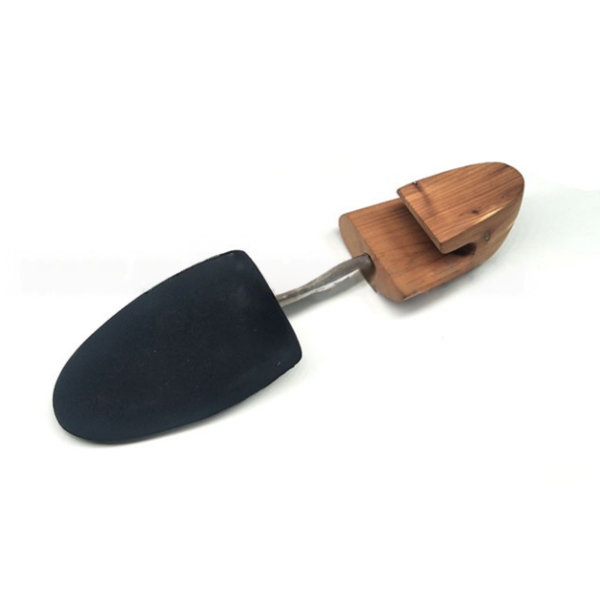
Narrow leather footwear remains a common source of daily foot discomfort. Many buyers select standard shoe sizes only to find limited inner width compressing toes and forefoot during long walks. Sustained pressure leads to recurring soreness and skin irritation. A shoe stretcher delivers adjustable space expansion to ease foot pressure from narrow leather footwear, bringing sustainable comfort without irreversible damage to leather footwear.
How Narrow Leather Footwear Creates Persistent Foot Pressure
Physical Influence of Continuous Lateral Squeezing on Feet
Standard mass-produced leather footwear follows average foot width data and cannot match every individual foot contour. Narrow shoe cavities push side panels inward against toes and metatarsal bones. Continuous lateral compression restricts natural foot spreading during walking. The human foot slightly widens under weight bearing, and narrow footwear eliminates this necessary movement space. Over hours of activity, concentrated pressure triggers dull pain around toe joints and forefoot regions.
Secondary Problems Caused by Uneven Foot Pressure
Focused squeezing force generates more than temporary pain. Frequent friction between foot skin and tight leather lining easily creates blisters and calluses. Long-term compression changes natural toe alignment and aggravates discomfort for users with wider forefoot. Uneven pressure also shifts body weight distribution subtly, causing extra fatigue on ankle and calf muscles. These cumulative issues highlight the importance of adjusting narrow leather footwear instead of enduring persistent tightness.
How Shoe Stretcher Reduces Pressure from Narrow Leather Shoes
Create Extra Internal Space for Forefoot and Toe Area
The core function of a shoe stretcher focuses on controlled lateral expansion of leather footwear. The adjustable mechanical structure pushes shoe side panels outward moderately, enlarging available space inside toe box and forefoot zone. Extra room allows toes to spread naturally when standing and walking. Unlike temporary padding solutions, expanded internal width stays effective for long-term wear after stretching completes. Properly executed stretching targets the narrowest sections where most foot pressure accumulates.
Balance Stress Distribution Across Foot Contact Surfaces
Unmodified narrow leather footwear concentrates pressure on small contact strips along foot sides. After moderate stretching with a shoe stretcher, contact areas between feet and leather lining expand. Pressure spreads across a larger surface instead of concentrating on limited zones. Reduced local stress lowers friction intensity and cuts down risks of blisters and sore spots. Even pressure distribution aligns better with natural foot movement patterns during daily activity.
Practical Application Case & Industry Standards
Corporate Uniform Leather Shoe Adjustment Case
An international service company supplied uniform leather dress shoes to hundreds of frontline staff. Multiple employees reported foot soreness after long shifts because factory uniform shoes adopted narrow standard width. The company introduced shoe stretcher for personalized footwear adjustment. Each staff member received targeted stretching based on foot shape. Reports of foot discomfort dropped significantly, and team members maintained consistent footwear appearance without switching to alternative shoe styles.
ISO Guidelines for Ergonomic Footwear Fit
ISO 19407 establishes ergonomic standards for footwear design and fitting. The standard mentions sufficient forefoot width as a basic requirement to avoid harmful foot compression. When factory sizing cannot meet individual demands, controlled mechanical expansion using a shoe stretcher counts as an acceptable adjustment method for leather footwear. The standard reminds operators to avoid over-stretching, which breaks original ergonomic structure of the shoe.
Supportive Tips to Maximize Pressure Relief Effect
Several practices improve outcomes when using a shoe stretcher for narrow leather footwear. Identify exact pressure points before stretching to avoid unnecessary expansion on comfortable sections. Combine mild stretching spray to achieve uniform fiber expansion. Do not aim for maximum width in one session; gradual adjustment prevents leather overextension. After stretching, wear shoes for short periods first to test comfort level. Regular leather conditioning keeps material flexible and maintains expanded width longer.
A properly operated shoe stretcher addresses the core conflict between narrow leather footwear and natural foot dimensions. Controlled width expansion disperses concentrated squeezing force, effectively relieving foot pressure and lowering risks of friction-related discomfort for long-term wearers.
Frequently Asked Questions
Can shoe stretcher fully eliminate pain caused by extremely narrow leather footwear?
Shoe stretcher provides limited safe expansion range. It relieves mild to moderate squeezing, while extremely narrow footwear may not reach fully comfortable status even after stretching.
How long does widened space from shoe stretcher last on leather shoes?
Stable expansion can last for months with proper leather maintenance. Lack of conditioning makes leather fibers shrink gradually and narrow internal width again.
Will stretching narrow leather footwear change the outer visual shape obviously?
Gradual, controlled stretching only creates subtle outer changes. Excessive single-time expansion leads to visible bulges and ruins the original streamlined silhouette.
Can shoe stretcher ease pressure on bunions from narrow leather footwear?
Detachable pressure plugs enable localized stretching around toe areas, helping reduce direct squeezing on bunions for mild cases. Severe deformity needs professional custom footwear solutions.
Does shoe type affect the pressure relief effect of shoe stretcher?
Soft genuine leather achieves better stretching results. Hard coated leather and patent leather have low ductility and gain limited width improvement after adjustment.
Should insoles be removed before stretching narrow leather footwear?
Take out thick insoles before operating shoe stretcher. Insoles occupy internal space and block uniform expansion of the shoe upper during stretching procedures.