 EN
EN

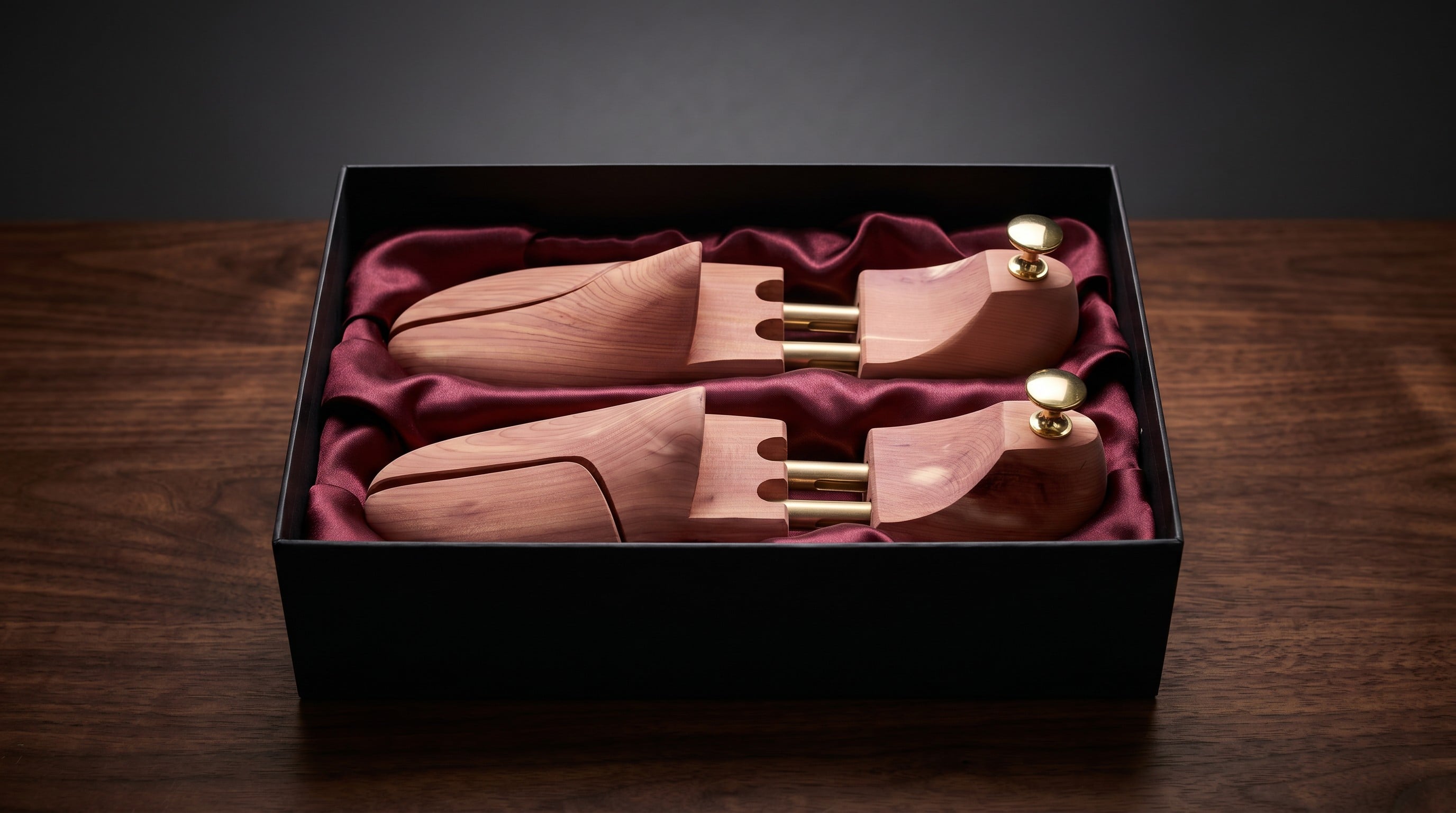
A quality shoe tree plays an important role in helping leather footwear maintain its original shape, reduce creasing, and manage moisture after daily wear. However, not all shoe trees are made from the same materials. The type of wood or material used can influence moisture control, odor management, durability, and overall shoe care performance.
For leather footwear, choosing the right shoe tree material is an important step in extending the service life of shoes.
Cedar, Beech, and Plastic Shoe Trees: Understanding the Differences
Cedar is one of the most popular materials for shoe trees because unfinished cedar wood naturally absorbs moisture from the inside of footwear. After wearing leather shoes, sweat and humidity can remain inside the lining. A cedar shoe tree helps draw out excess moisture while providing a fresh natural scent, creating a better environment for leather care.
Beechwood shoe trees are another common option. As a dense hardwood, beech provides solid structural support and helps maintain the shape of the toe box and vamp. Compared with cedar, it usually has less natural odor-control capability, but its strength and durability make it suitable for users who prioritize shape retention.
Plastic shoe trees are lightweight and affordable. They can help keep shoes from collapsing during storage, but they do not offer the moisture absorption benefits found in unfinished wood materials. For leather shoes that are frequently worn, wooden shoe trees are often preferred because they provide additional support for long-term care.
Overall, the best shoe tree material depends on the balance between moisture management, shape support, and the type of footwear being maintained.
Choosing the Right Shoe Tree Design for Different Leather Shoes
Different styles of leather footwear require different shoe tree designs.
For formal shoes such as oxfords and dress shoes, a well-shaped shoe tree that closely follows the shoe’s original structure can help maintain the sharp appearance of the toe box and vamp. A full heel and properly fitted toe area provide balanced support without creating unnecessary pressure on the leather.
For boots, shoe tree selection should consider the height and structure of the footwear. Boot-specific shoe trees can help support the upper shape and collar area, especially for taller designs where standard shoe trees may not provide enough coverage.
Brogues and loafers require a more careful approach because their construction and leather flexibility can vary. Adjustable shoe trees can provide gentle support while helping smooth natural creases without overstretching the material.
The key principle is to match the shoe tree design with the footwear shape rather than forcing every shoe into the same style of tree.
How to Choose the Correct Shoe Tree Fit
A properly fitted shoe tree should support the leather without creating excessive tension.
The length should reach the front area of the shoe without pushing strongly against the toe. The width should provide even contact across the forefoot while avoiding visible stretching. The instep area should support the upper without forcing the laces, straps, or opening of the shoe outward.
Adjustable shoe trees can be especially useful for handmade or premium leather footwear because individual shoe shapes may vary. A flexible adjustment system allows users to achieve a closer fit while protecting the leather structure.
For softer leather shoes, a slightly more relaxed fit is often preferable. Too much pressure may affect the natural shape of the footwear over time.
Best Practices for Using Shoe Trees
Using shoe trees correctly is just as important as choosing the right material.
Insert shoe trees after wearing leather shoes to help the upper recover its shape while moisture gradually escapes. Keeping shoe trees inside footwear between wears can help reduce deep creases and maintain a cleaner appearance.
For leather shoes exposed to rain or heavy moisture, allow sufficient drying time before storing them in enclosed spaces. Combining shoe trees with regular cleaning and conditioning creates a more complete leather care routine.
It is also recommended to rotate footwear regularly. Allowing leather shoes time to rest between uses can reduce repeated stress on the same areas and support longer-lasting performance.
Frequently Asked Questions
What is the best material for shoe trees?
Unfinished cedar is a popular choice because it combines moisture absorption, natural odor control, and effective shape support. Beechwood is also valued for its strength and durability.
Are wooden shoe trees better than plastic shoe trees?
Wooden shoe trees generally provide additional moisture management benefits compared with plastic models. Plastic shoe trees can still help maintain basic shoe shape and are useful for lightweight storage needs.
How do I choose the right size shoe tree?
A shoe tree should fit securely inside the shoe without forcing the leather outward. The correct size provides support while maintaining the natural shape of the footwear.
How long should shoe trees stay in leather shoes?
The recommended time depends on the shoe material, wearing conditions, and environment. Keeping shoe trees inside shoes between wears can help support shape recovery and moisture management.