 EN
EN

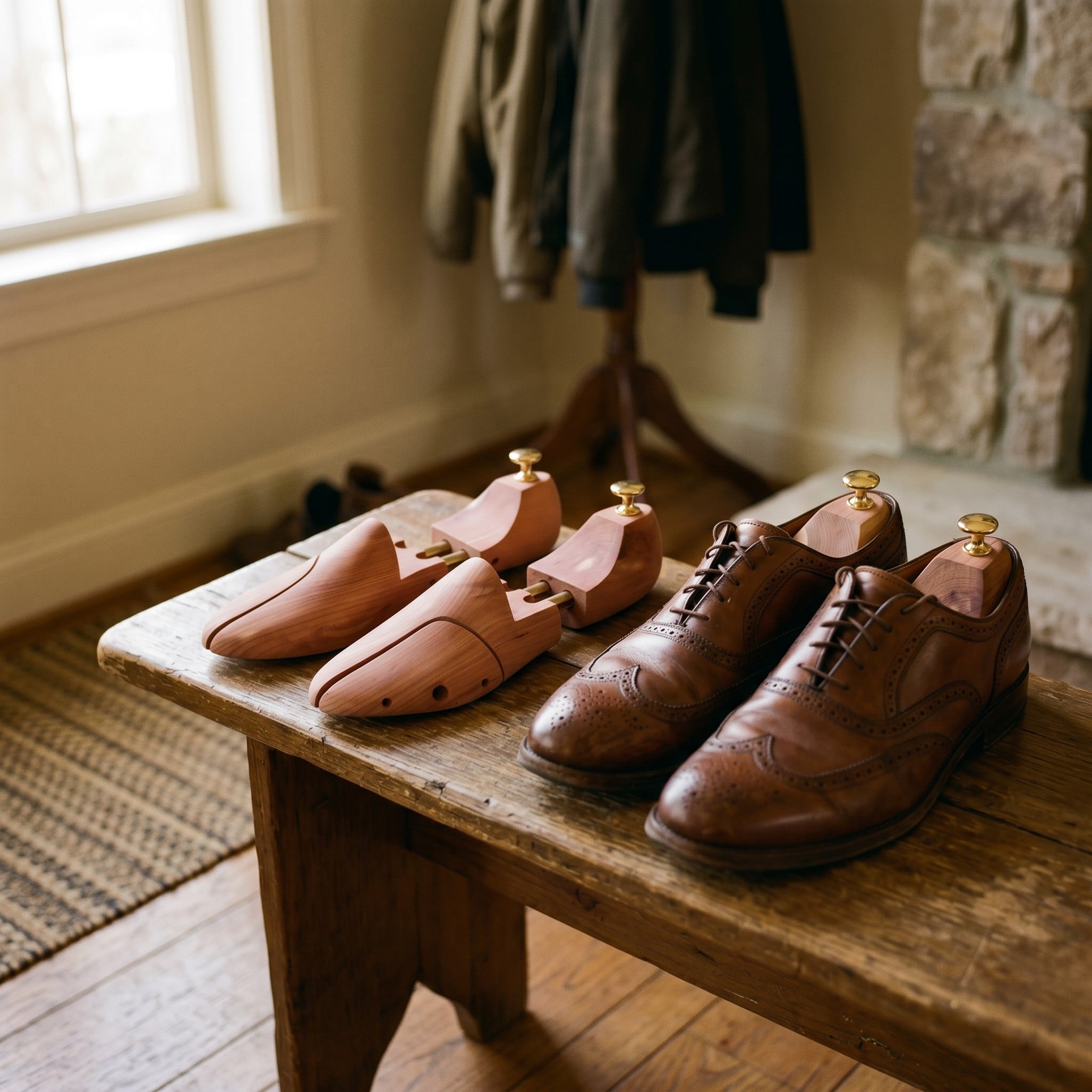
A shoe tree is an essential accessory for maintaining leather footwear shape and supporting long-term shoe care. Among different materials available, cedar wood has become one of the most popular choices for wooden shoe trees because of its natural moisture absorption, pleasant aroma, and reliable structural performance.
The material used in a shoe tree directly affects how well it supports leather shoes during storage. Choosing a suitable cedar shoe tree can help preserve the appearance, comfort, and overall condition of quality footwear.
Why Cedar Wood Works Well for Shoe Trees
Cedar wood is widely used for shoe trees because of its natural ability to absorb moisture. After daily wear, leather shoes often retain humidity from sweat and the surrounding environment. An unfinished cedar shoe tree helps draw out excess moisture from the inside of the shoe, creating a drier environment that supports better leather care.
Another advantage of cedar is its natural scent. The aromatic compounds found in cedar wood can help reduce unpleasant odors and keep footwear feeling fresher between uses.
Compared with plastic shoe trees, cedar models provide additional moisture management benefits while also offering strong support for maintaining shoe shape. Plastic shoe trees can help prevent shoes from collapsing, but they do not provide the same natural absorption characteristics as unfinished wood.
How Cedar Wood Quality Affects Shoe Tree Performance
The durability of a wooden shoe tree depends on both the quality of the cedar and the craftsmanship of the product.
Cedar offers a useful balance between lightweight construction and structural stability. Its natural grain structure allows the shoe tree to provide gentle support while reducing unnecessary pressure on leather uppers.
A well-designed cedar shoe tree should maintain consistent contact with important areas of the shoe, including the toe box, vamp, and heel. Proper fitting helps leather recover its natural shape after wearing and reduces the appearance of deep creases.
For manufacturers and buyers, the combination of quality cedar material and accurate shoe tree design is important for achieving reliable performance.
Daily Maintenance Tips for Cedar Shoe Trees
Cedar shoe trees require simple maintenance to maintain their effectiveness.
After wearing leather shoes, insert the shoe tree to help the upper return to its original shape while allowing moisture to gradually escape. Keeping shoes in a ventilated area also helps prevent excessive humidity buildup.
Over time, the surface of cedar may become smoother or collect small amounts of residue. Light sanding can refresh the wood surface and restore its natural texture. Avoid applying heavy coatings or finishes that may reduce the wood’s ability to exchange moisture.
Regular shoe rotation is also beneficial. Allowing leather shoes to rest between wears gives both the footwear and shoe tree more time to perform effectively.
Proper Storage and Long-Term Care of Wooden Shoe Trees
Proper storage helps extend the service life of cedar shoe trees.
Store shoe trees in a dry, ventilated environment and avoid prolonged exposure to extreme humidity or direct heat. Excessive moisture may affect the wood, while strong heat sources can cause unnecessary drying.
When storing multiple shoe trees, avoid placing heavy objects on top of them or creating pressure that may affect their structure. Keeping them organized on an open shelf or in a breathable storage area helps maintain their condition.
With proper use and care, a high-quality cedar shoe tree can provide reliable support for leather footwear over a long period.
Frequently Asked Questions
Why is cedar wood recommended for shoe trees?
Cedar wood is popular for shoe trees because it naturally absorbs moisture, provides pleasant aroma, and offers stable support for leather footwear.
How often should I sand a cedar shoe tree?
Light sanding can be performed when the wood surface becomes smooth or loses its fresh cedar texture. The frequency depends on usage conditions.
Should cedar shoe trees be treated with oil?
In most cases, unfinished cedar shoe trees only require basic cleaning and occasional sanding. Heavy oil treatments may affect the natural moisture exchange of the wood.
How should wooden shoe trees be stored?
Store cedar shoe trees in a dry, ventilated area away from excessive humidity and direct heat to help maintain their structure.
When should a cedar shoe tree be replaced?
A shoe tree may need replacement if it no longer provides proper support, has damaged components, or cannot maintain a suitable fit inside footwear.