 EN
EN

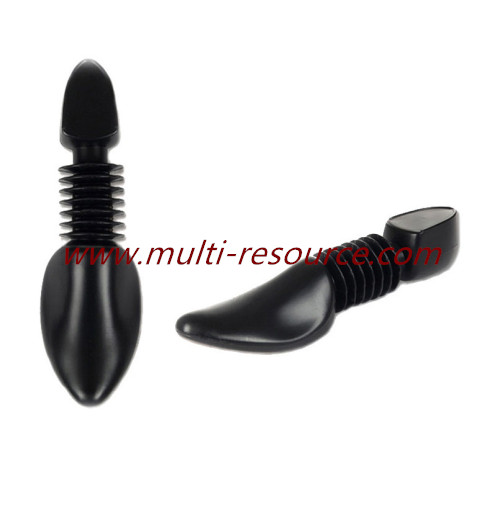
Many leather shoes turn uncomfortably tight after purchase or long storage. Leather shrinkage, unique foot shapes and unified factory sizing create persistent fitting discomfort. Improper widening attempts easily trigger permanent leather damage and uneven shoe contours. A shoe stretcher becomes vital equipment within footwear maintenance and custom fitting sectors, delivering reliable leather shoe widening effects that casual household approaches cannot match.
Drawbacks of Traditional Leather Shoe Widening Methods
Hidden Risks of Wearing Shoes to Force Stretch
Numerous people choose repeated wear to stretch tight leather shoes, bringing clear structural risks to leather. Forced foot extrusion creates uneven local pressure on leather surfaces, forming irregular tension and random creases. Aggressive stretching may tear internal leather fibers in crowded areas, leading to permanent cracking and surface peeling after continuous friction. This uncontrolled widening method lacks adjustable force limits and often ruins high-value leather footwear irreversibly.
Limitations of Improvised Household Stretching Methods
Some households stuff socks, paper and other makeshift fillers inside leather shoes to expand narrow sections. These unstructured fillers lack balanced stress distribution and create inconsistent internal support. Overstuffing pushes shoe panels outward to form unsightly bulges, while insufficient filling fails to ease tight pressure. Non-breathable stuffing traps moisture inside the shoe cavity, triggering mold growth and unpleasant odors during stretching and bringing secondary harm to leather surfaces.
Core Advantages of Shoe Stretcher for Professional Widening
Achieve Controlled and Uniform Leather Fiber Expansion
A professional shoe stretcher adopts adjustable mechanical expansion structures built around footwear ergonomics. The tool delivers balanced all-round tension inside leather shoe cavities and supports micro uniform expansion of leather fibers. Unlike blind forced stretching, stretching intensity in each zone can be fine-tuned to avoid over-stretching or incomplete widening. This mechanical control principle allows leather fibers to expand evenly while protecting structural integrity and keeping shoe surfaces flat and neat.
Enable Targeted Stretching for Specific Tight Spots
Foot discomfort comes from different crowded zones, including cramped toe boxes, high instep pressure and narrow shoe sides. Standard shoe stretcher works with detachable pressure plugs and adjustable modules to complete localized stretching. Operators modify stretching intensity for toe area, instep and shoe sides according to actual fitting complaints and resolve personalized tight fitting problems. This targeted design makes leather shoe widening highly adaptable for varied foot shapes and fitting demands.
Practical Application Case & Industry Standards
Footwear Customization Studio Service Case
A UK footwear customization studio provides personalized fitting services for clients with irregular foot shapes. Manual wearing and filler stretching previously caused uneven shoe surfaces and inconsistent tightness in nearly 30 percent of modified orders. The studio fully switched to professional shoe stretcher for all widening procedures and realized precise regional adjustment for every pair of leather shoes. Fitting qualified rate rose to 98 percent, and customer feedback on comfort and uniform appearance improved greatly.
ANSI Standard Guidance for Footwear Modification
Professional footwear adjustment and maintenance follow ANSI Z41 footwear fitting and processing standards. The standards recommend controlled mechanical stretching instead of uncontrolled forced deformation. Guidelines confirm proper shoe stretcher application maintains leather fiber integrity while expanding internal shoe space. NFPA also classifies standardized mechanical stretching tools as safe auxiliary equipment for secondary leather footwear processing and reduces quality risks from unregulated manual adjustment.
Practical Selection & Operation Advice for Shoe Stretcher
Several simple rules help gain stable results from a shoe stretcher. Confirm tool size matches target footwear before adjustment. Apply leather stretching spray moderately to soften leather fibers before stretching, cutting down resistance during expansion. Do not set maximum tension at once; increase stretching range gradually and maintain tension for several hours each session. After finishing stretching, leave shoes to rest naturally so leather fibers stabilize in new shape. Inspect shoe stretcher surface routinely to remove burrs that might scratch inner leather.
A qualified shoe stretcher solves core fitting conflicts between standardized leather footwear and unique foot shapes. Precise, controllable stretching avoids the common risks of amateur widening attempts and offers repeatable, reliable adjustment solutions for leather shoe widening in commercial and personal usage scenarios.
Frequently Asked Questions
Can shoe stretcher widen all types of leather shoes effectively?
Shoe stretcher works best on full-grain leather, top-grain leather and genuine leather footwear. Hard treated leather and coated synthetic materials have limited stretching potential and require cautious adjustment.
How long does each stretching session take with a shoe stretcher?
Maintain tension from four to eight hours for ordinary tight leather shoes. Severely narrow footwear may need repeated separate sessions to achieve ideal widening without damaging leather.
Will shoe stretcher create visible bulges on leather shoe surface?
Bulges mostly appear from excessive local tension. Gradual adjustment and targeted plug placement help distribute force evenly and keep the original smooth outer appearance of leather shoes.
Is stretching spray necessary when using a shoe stretcher on leather shoes?
Stretching spray softens leather fibers and lowers stretching resistance. It is not mandatory, yet it helps achieve smoother results and reduces risks of fiber tearing during leather shoe widening.
Can a single shoe stretcher fit both left and right leather shoes?
Most standard shoe stretcher supports left and right footwear use. Two-way stretch models handle width and instep adjustment, while single-way variants mainly focus on toe box and side widening.
How much width can a shoe stretcher add to tight leather shoes safely?
Safe adjustment range usually stays within 0.25 to 0.5 inches. Excessive pursuit of large widening easily causes permanent leather deformation and ruins the original shoe silhouette.