 EN
EN

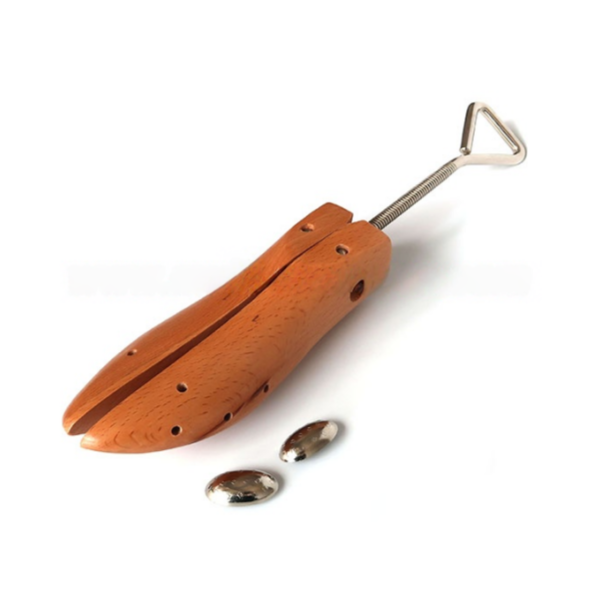
High-quality leather shoes represent a meaningful investment for private wear and commercial footwear inventory management. Daily maintenance directly decides how leather footwear keeps its silhouette and surface condition after years of use. A shoe tree remains one of the most underrated yet practical tools for systematic leather shoe maintenance, tackling common storage and wearing issues that accelerate leather deterioration.
Core Functional Benefits of Shoe Tree for Leather Shoes
Preserve Original Shoe Shape and Prevent Deformation
Continuous walking, foot compression and casual storage easily create permanent creases, sunken toe boxes and bulged side panels on leather shoes. A properly sized shoe tree follows natural footwear ergonomics and delivers steady, balanced internal support. After wear, leather fibers stay warm and flexible, so inserting the tool holds the material in its factory contour. Soft full-grain leather lacks rigid internal frames and depends heavily on external shaping support. Regular placement of a shoe tree limits irregular folding and keeps the vamp and toe box smooth for repeated use.
Absorb Internal Moisture and Reduce Unpleasant Odors
Leather acts as a porous breathable material that traps sweat and ambient humidity during daily wear. Locked moisture inside shoe cavities triggers damp leather, mold growth and persistent odor buildup. Most premium wooden shoe tree options carry porous timber structures that passively draw residual moisture out of leather footwear. Slow moisture exchange speeds up internal drying and restricts reproduction of odor-causing bacteria and mold spores. This simple function prevents irreversible mildew stains that often ruin high-value leather dress shoes and leather boots.
Long-Term Value of Consistent Shoe Tree Usage
Slow Down Leather Aging and Extend Footwear Lifespan
Most leather shoe damage accumulates from repeated deformation and damp exposure rather than surface abrasion. Unsupported leather creases experience constant fiber breakage at fold points, eventually leading to cracking and peeling. Steady use of a shoe tree lowers bending fatigue across leather surfaces and stabilizes the whole shoe structure. Operators within the footwear industry observe that leather footwear stored with matching shoe tree maintains usable condition far longer than pairs left without shaping support, especially delicate formal leather footwear.
Stabilize Leather Texture and Avoid Fiber Hardening
Long-term compression and excessive dryness make leather fibers stiff and lose elasticity, creating rigid footwear that rubs uncomfortably against feet. Gentle outward tension from a shoe tree keeps leather fibers stretched in a relaxed state and prevents permanent compression hardening. Natural timber shoe tree also balances humidity inside the shoe cavity, stopping extreme dryness that causes surface cracks and dull fading. Sustained maintenance preserves the soft touch and natural gloss featured on premium leather surfaces.
Practical Industry Case & Recognized Footwear Standards
Retail Leather Footwear Inventory Maintenance Case
A European boutique footwear retailer focusing on luxury leather dress shoes faced recurring inventory defects before introducing standardized maintenance workflows. Seasonal stock rotation revealed toe deformation, shallow creases and minor mildew on stored leather shoes, lowering product presentation and resale value. The retailer implemented a rule to place a fitted shoe tree inside every new and returned leather shoe for 24 hours of shaping and moisture removal. After six months of steady execution, deformation and mildew issues on inventory stock disappeared, and visual consistency of stored footwear improved noticeably.
Standard Guidance for Leather Shoe Storage (ISO 10326)
Commercial leather footwear storage aligns with ISO 10326 standards covering footwear preservation requirements. The standard notes that shaping aids such as a shoe tree count as essential equipment for long-term leather storage, avoiding permanent structural damage caused by unrestrained leather shrinkage. OSHA also recommends structured footwear maintenance routines for retail and hospitality sectors to preserve consistent quality of staff footwear and retail inventory.
Actionable Tips to Use Shoe Tree Correctly
Correct operation maximizes every shoe tree’s maintenance performance. Insert the tool immediately after removing shoes, while leather fibers remain flexible. Avoid forceful over-insertion that creates uneven stretching and local leather distortion. For long-term storage, adjust the shoe tree to moderate expansion to maintain shaping without excessive tension. Wipe wooden shoe tree surfaces with dry cotton cloth regularly to clear dust and accumulated moisture, preserving reliable moisture absorption capacity over repeated use.
A properly selected shoe tree works as more than a simple shaping accessory within leather shoe maintenance routines. Combined shaping, dehumidification and texture protection targets core pain points of leather aging and deformation, delivering stable long-term protection for all varieties of leather footwear.
Frequently Asked Questions
Does every type of leather shoe require a shoe tree for maintenance?
Most soft leather dress shoes and leather boots gain obvious benefits from a shoe tree. Hard molded leather footwear has lower demand, yet the tool still reduces creasing and absorbs trapped humidity during storage.
How long should a shoe tree stay inside leather shoes each time?
Keep the shoe tree inside footwear for 12 to 24 hours after daily wear to complete moisture absorption and shaping. Leave it inserted continuously for full protection during long-term storage periods.
Can poorly sized shoe tree scratch or damage leather interiors?
Shoe tree with rough edges or mismatched dimensions may scratch inner leather and create uneven stretching. Select smooth, size-matched units to avoid accidental harm during leather shoe maintenance.
Are wooden shoe tree better than plastic alternatives for leather care?
Wooden shoe tree provides natural breathability and moisture absorption, while plastic variants only offer basic shaping. Timber options suit professional leather shoe maintenance scenarios far better.
Can shoe tree erase deep existing creases on aged leather shoes?
A shoe tree effectively fades fresh shallow creases. Deep established creases need leather conditioner and heat shaping first, with shoe tree used afterward to lock corrected shoe shape.
How often should wooden shoe tree receive routine cleaning?
Wipe wooden shoe tree with dry cloth every two weeks. Carry out monthly maintenance in humid climates to retain steady moisture absorption and shaping performance.