 EN
EN

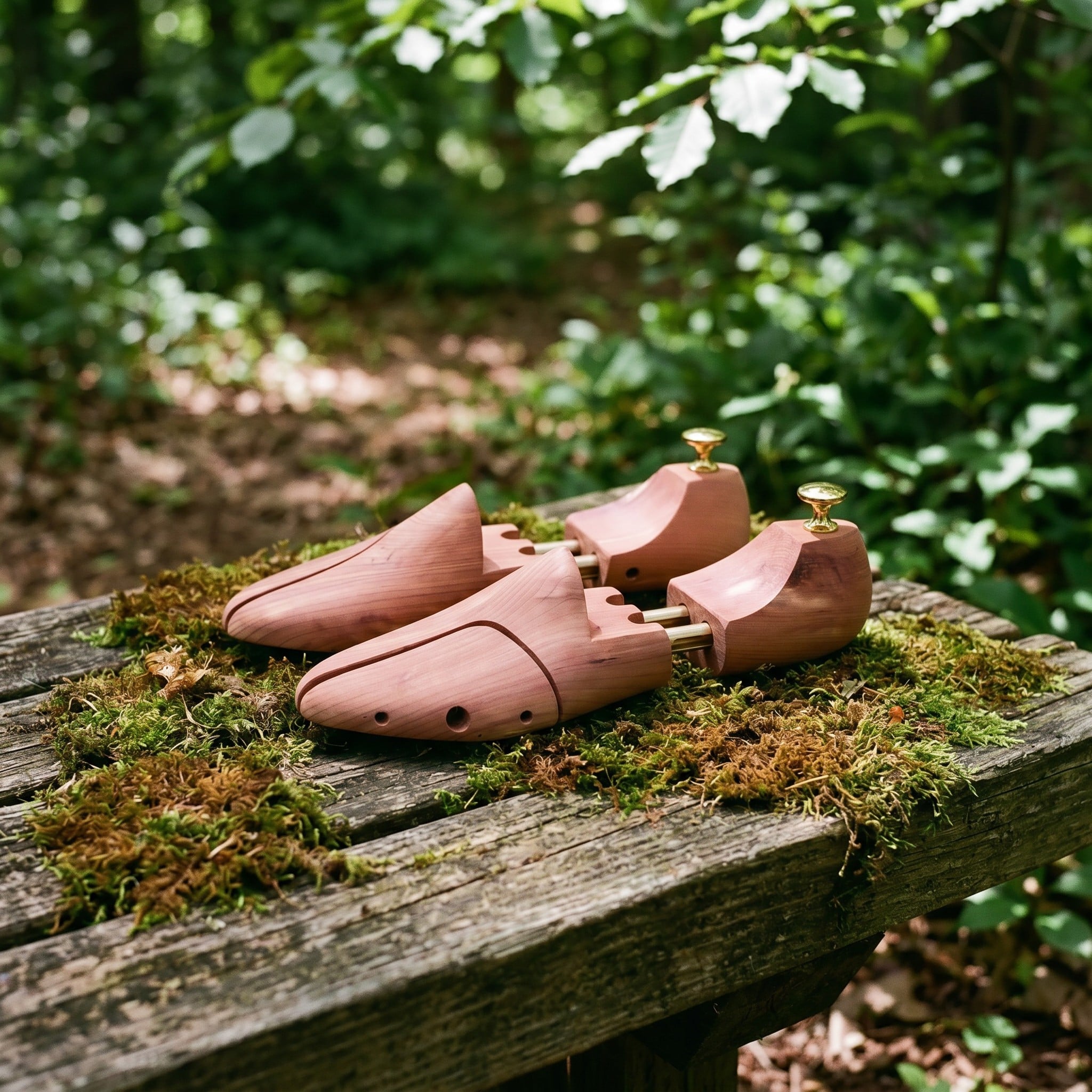
Leather shoes can develop unpleasant odors over time, especially when moisture from daily wear remains trapped inside the footwear. Sweat, humidity, and limited airflow create conditions that allow odor to build up.
Aromatic wooden shoe trees, especially cedar shoe trees, are widely used in leather shoe care because they help manage moisture while providing a natural fresh scent. By keeping the inside of shoes drier and better supported, cedar shoe trees contribute to a cleaner and more comfortable wearing experience.
Why Leather Shoes Develop Odors
During daily use, leather shoes naturally absorb moisture from feet and the surrounding environment. When this moisture remains inside the shoe for extended periods, it can contribute to unpleasant smells.
Leather is a breathable material, but it does not dry instantly. Without proper ventilation, moisture may remain around the lining and insole, creating an environment where odor-causing microorganisms can become more active.
Regular cleaning helps maintain footwear appearance, but managing moisture inside the shoe is also an important part of long-term care.
How Cedar Shoe Trees Help Reduce Odors
Cedar shoe trees are popular because unfinished cedar naturally absorbs moisture from the interior of footwear.
After wearing leather shoes, inserting a cedar shoe tree helps draw out excess humidity while maintaining the shoe’s shape. A drier interior environment can help reduce conditions associated with unwanted odors.
Cedar also provides a pleasant natural aroma. Unlike fragrance products that simply cover smells, cedar offers a combination of moisture management and natural freshness.
This is one reason cedar remains a preferred material for many premium leather shoe care products.
Why Unfinished Cedar Is Commonly Used for Shoe Trees
The surface treatment of wood affects its ability to exchange moisture.
Unfinished cedar allows the natural structure of the wood to interact with the surrounding environment. This helps the shoe tree absorb moisture more effectively compared with sealed or coated wooden products.
Finished wood may provide additional surface protection, but coatings can reduce direct contact between the wood and moisture inside the shoe.
For users who prioritize moisture control and freshness, unfinished cedar is often considered a practical choice.
How to Maintain Cedar Shoe Trees for Long-Term Use
Cedar shoe trees require simple maintenance.
Over time, the surface may become smoother because of regular contact with footwear. Light sanding can refresh the wood surface and restore its natural texture and aroma.
Store cedar shoe trees in a dry, ventilated area and avoid prolonged exposure to excessive moisture. Proper storage helps maintain both the wooden shoe tree and the leather footwear it supports.
Using shoe trees consistently after wearing leather shoes is one of the simplest ways to support better shoe care.
Frequently Asked Questions
Why do leather shoes develop odors?
Leather shoes can develop odors when moisture from daily wear becomes trapped inside the footwear. Proper ventilation and moisture management can help reduce unpleasant smells.
How do cedar shoe trees help with odor control?
Cedar shoe trees help absorb moisture inside shoes and provide a natural cedar aroma, creating a fresher environment for leather footwear.
Why are unfinished cedar shoe trees preferred?
Unfinished cedar allows better moisture exchange because the natural wood surface remains exposed. This helps maintain the material’s traditional moisture absorption benefits.
Can cedar shoe trees completely remove shoe odors?
Cedar shoe trees can help reduce odor-related issues by managing moisture and improving freshness, but they cannot replace cleaning or proper footwear hygiene.
How can I maintain a cedar shoe tree?
Light sanding when needed and proper storage in a dry, ventilated area can help maintain the performance of a cedar shoe tree.