 EN
EN

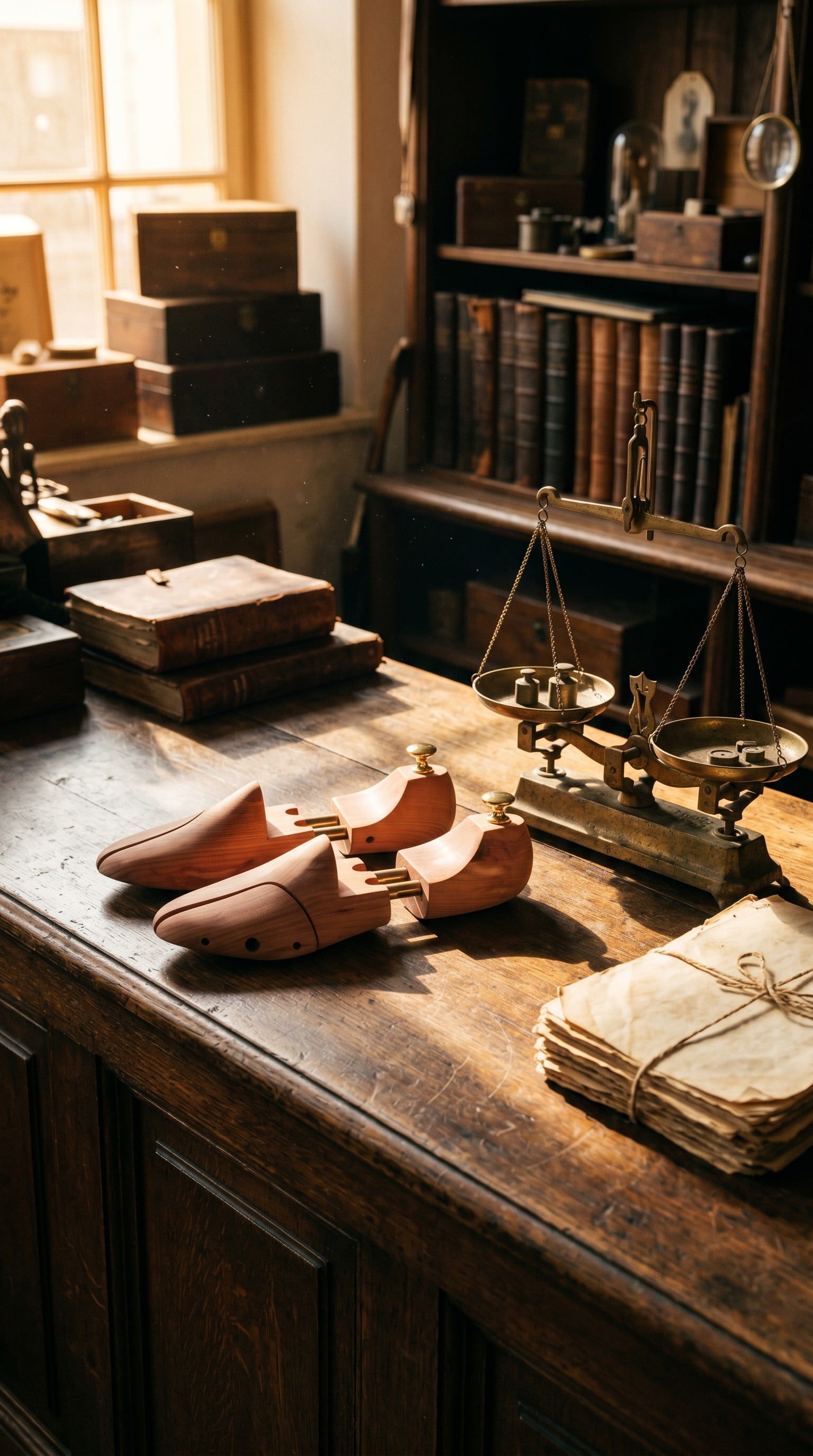
Natural Moisture Absorption and Odor Control: Core Cedar Shoe Tree Benefits
A cedar shoe tree does more than maintain shape—it actively manages the microclimate inside your footwear. Unfinished red cedar’s unique cellular structure and natural oils work in tandem to draw out perspiration and neutralize odor-causing compounds, keeping linings fresher and leather healthier between wears.
How Cedar’s Porous Grain and Hygroscopic Oils Draw Out Moisture
Cedar heartwood features an open, porous grain that acts like a microscopic sponge. After you remove your shoes, the wood’s hygroscopic oils—primarily volatile terpenes—begin attracting and trapping water molecules from the leather lining. Unlike plastic or varnished alternatives that simply block airflow, raw cedar passively wicks moisture away from the shoe’s interior. This process lowers the relative humidity inside the shoe to a level where bacteria and fungi struggle to multiply. The effect is both immediate and cumulative: a single overnight insertion can reduce dampness noticeably, while consistent use prevents the gradual saturation that leads to lining rot, stitching degradation, and leather fiber breakdown. Because the wood remains slightly absorbent even after years of use, this moisture-management benefit endures—making cedar shoe trees a long-term defense against internal shoe damage.
Scientific Mechanism: Cedrol and Thujaplicins Neutralize Bacterial VOCs
The fresh, woodsy scent of cedar signals active odor neutralization—not just masking, but molecular intervention. Two key compounds drive this effect. Cedrol, a sesquiterpene alcohol, binds to volatile organic compounds (VOCs) released by foot bacteria, encapsulating malodorous molecules and reducing their airborne concentration. Meanwhile, thujaplicins—a class of tropolone derivatives in cedar’s essential oils—exhibit broad-spectrum antimicrobial activity. They disrupt bacterial cell membranes, suppressing Staphylococcus and Corynebacterium species—the primary producers of isovaleric acid and other foul-smelling byproducts. Research has shown that thujaplicins inhibit these common skin-borne bacteria (2021). Unlike synthetic deodorizers, cedar addresses the root cause: microbial activity itself. The result is a shoe that not only smells clean but sustains a less hospitable environment for future growth—supporting both footwear longevity and foot health.
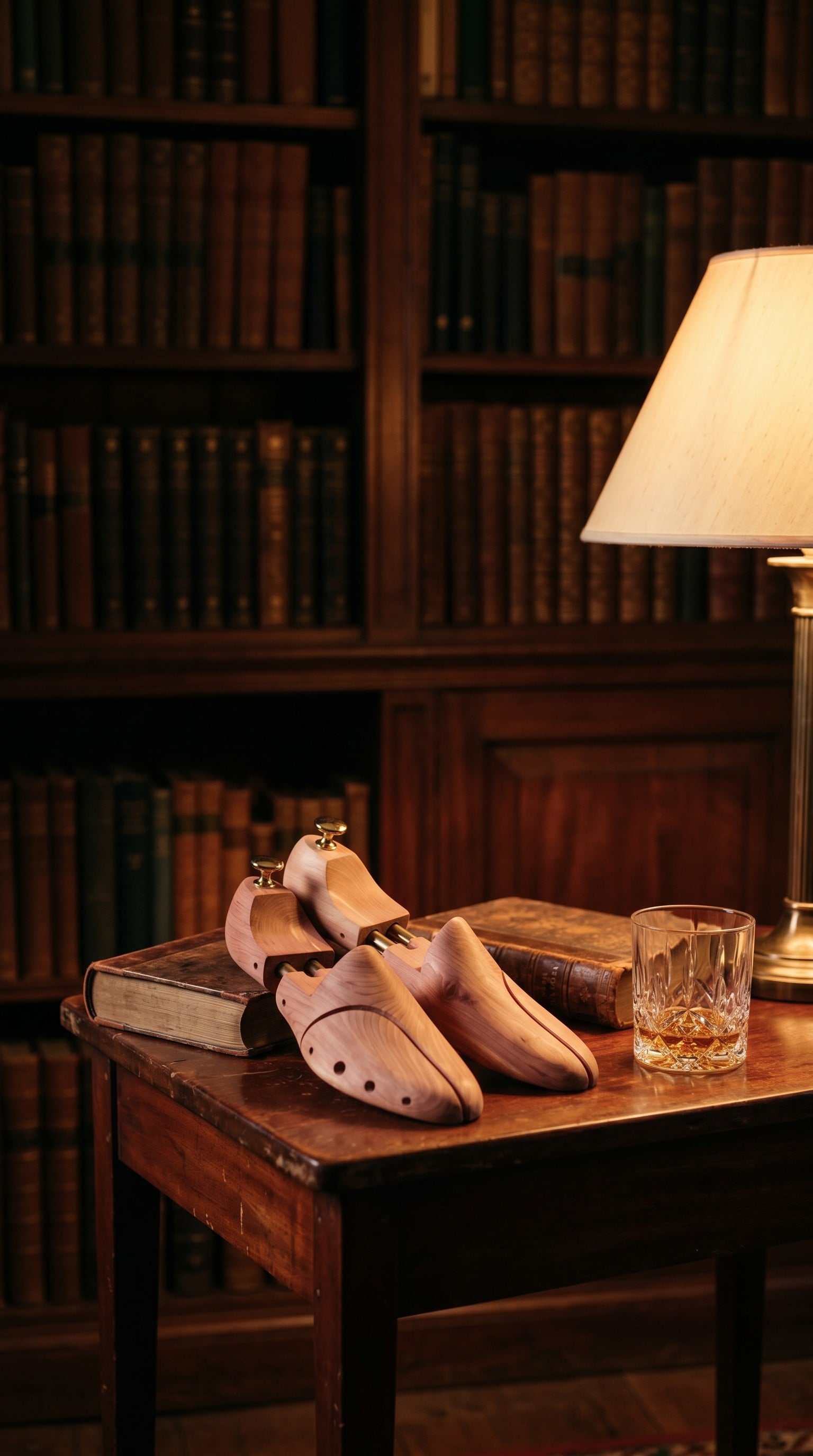
Superior Performance: Cedar Shoe Tree vs. Common Alternatives
Moisture Uptake and Antimicrobial Efficacy Compared to Plastic, Metal, and Poplar
Plastic and metal shoe trees offer only structural support—and no moisture management. Trapped humidity fosters bacteria and fungi, accelerating odor development and material decay. In contrast, cedar acts as a natural desiccant: its open grain draws moisture deep into the wood, absorbing up to 30% of its weight in water and releasing it gradually into ambient air. This keeps the leather interior drier and more stable. Poplar, often used as a budget wood alternative, lacks cedar’s density of hygroscopic oils and delivers significantly weaker wicking performance. Varnished or lacquered finishes—regardless of base material—seal the surface and eliminate absorbency entirely. Crucially, cedar also provides antimicrobial action through cedrol and thujaplicins—compounds absent in plastic, metal, and poplar. This dual-action capability—moisture regulation plus biological odor control—makes cedar uniquely effective at preserving both freshness and structural integrity.
Leather Preservation Through Dynamic Humidity Regulation
Preventing Drying, Cracking, and Tanning Agent Degradation with Stable RH
Maintaining optimal internal humidity is essential for leather longevity. A cedar shoe tree naturally regulates relative humidity (RH) by absorbing excess moisture when conditions are damp and releasing it when the air is dry—holding the interior RH within the ideal 40–50% range. Below 40% RH, leather fibers contract and stiffen, leading to surface cracking and grain stress. Above 60%, fibers swell and mold can develop within 48–72 hours (Environmental Preservation Institute, 2023). These fluctuations also destabilize tanning agents—such as chromium salts—bonded to collagen. When RH swings too widely, those agents leach out or degrade, compromising flexibility and tensile strength. Without buffering, leather loses structural integrity, and fine cracks appear across the vamp and quarter. Cedar shoe trees act as passive, self-regulating humidity buffers—critical for preserving both the aesthetic and functional life of fine leather footwear.
Structural Support and Long-Term Crease Management
Cedar shoe trees are not solely about moisture control—they’re foundational tools for preserving the structural architecture of high-quality footwear. Repetitive flexing during wear creates deep creases across the toe box; if left unsupported, those folds become permanent, distorting shape and inviting cracking. A properly fitted cedar shoe tree counteracts this by applying gentle, consistent tension from heel to toe—holding the upper in its original lasted form. This prevents inward collapse of the vamp and redistributes stress points that cause unsightly wrinkles. Precision fit is essential: a tree too small offers inadequate support, while one too large risks overstretching the leather and altering proportions. Many premium models include a spring-loaded toe mechanism that pushes forward to fill the full interior volume—resisting gravity’s natural pull toward creasing. Over time, this disciplined support preserves crisp lines and dramatically extends wearable life, making the cedar shoe tree an indispensable investment for anyone committed to long-term leather care.
FAQ Section
Q: What makes cedar shoe trees better than plastic or metal alternatives?
A: Cedar shoe trees offer both moisture management and antimicrobial benefits, unlike plastic or metal options that provide only structural support. Cedar’s porous grain and essential oils actively wick moisture and neutralize odor-causing bacteria.
Q: Can cedar shoe trees prevent leather from cracking?
A: Yes, cedar shoe trees regulate humidity to maintain an ideal 40–50% relative humidity (RH), preventing the leather from drying out and cracking over time.
Q: How do cedar oils neutralize odors?
A: Cedar oils contain compounds like cedrol and thujaplicins that bind with volatile organic compounds (VOCs) and exhibit antimicrobial properties, suppressing bacteria responsible for bad odors.
Q: Does the moisture absorption property of cedar diminish with time?
A: No, cedar remains slightly absorbent over years of use, ensuring long-term benefits for moisture management and structural preservation.