 EN
EN

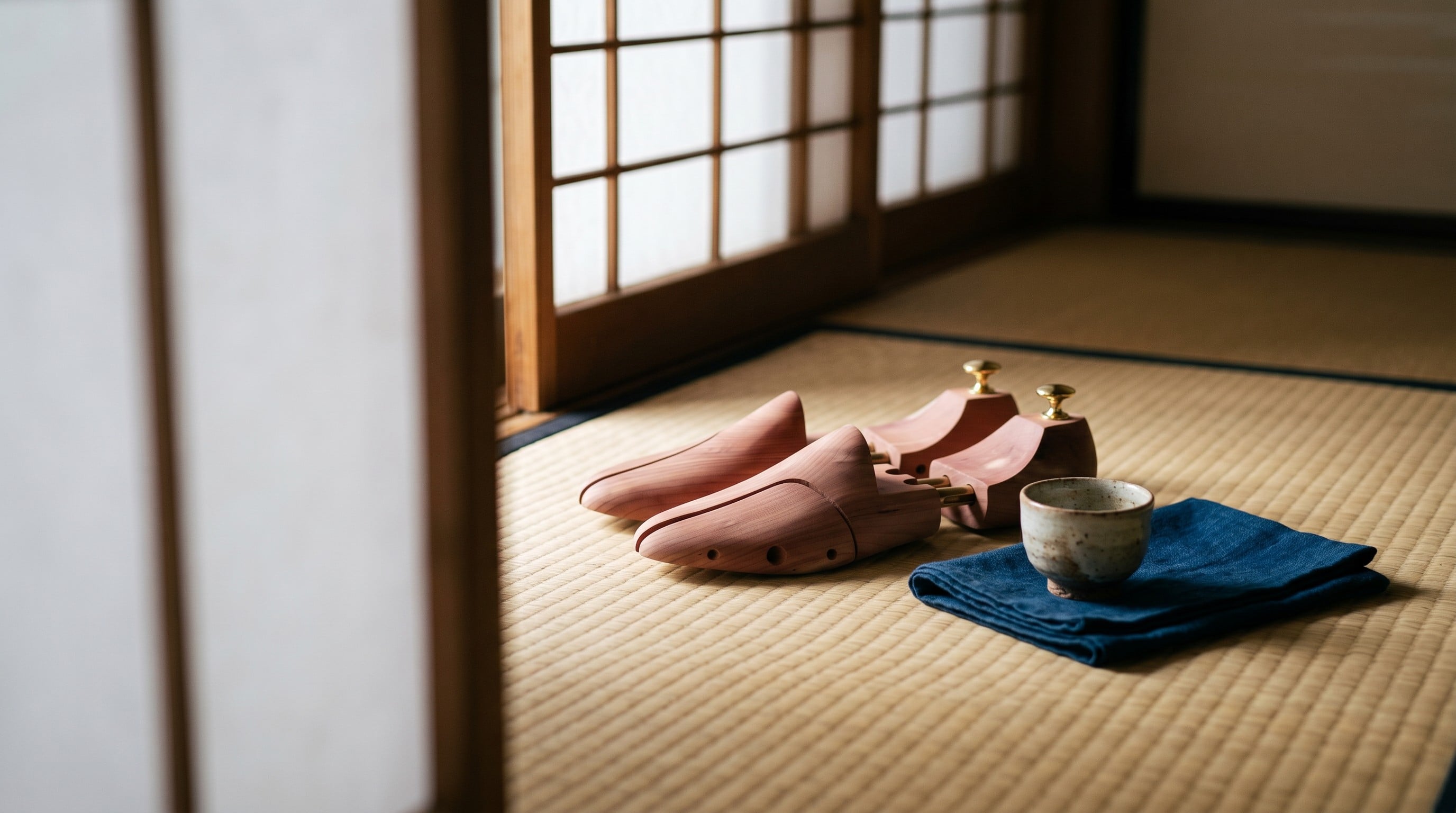
Leather shoes naturally develop creases as the upper bends during walking. Over time, repeated flexing, pressure, and improper storage can make these folds become more noticeable.
A shoe tree helps reduce this effect by supporting the internal structure of the footwear after use. By maintaining the shoe’s original shape, a properly fitted shoe tree allows leather to relax and recover between wears.
How Shoe Trees Support Leather Shape Retention
When inserted after wearing, a shoe tree fills the interior space of the shoe and provides gentle support to areas such as the toe box and vamp.
During walking, the front part of a shoe repeatedly bends with each step. Without support during storage, leather may gradually lose its original form and develop deeper creases.
A well-designed shoe tree helps maintain the shoe’s intended shape by providing balanced pressure from heel to toe. Instead of allowing the upper to collapse inward, it supports the leather while the material naturally settles.
The best results come from choosing a shoe tree that matches the shoe’s last shape. A proper fit provides support without creating unnecessary tension.
Why Cedar Shoe Trees Are Popular for Leather Footwear
Material choice plays an important role in shoe tree performance.
Cedar shoe trees are widely used because unfinished cedar naturally absorbs moisture from inside footwear. After daily wear, leather shoes may retain humidity from sweat and the surrounding environment. Cedar helps create a drier interior environment while providing a pleasant natural scent.
Compared with plastic shoe trees, cedar models offer additional moisture management benefits. Plastic designs can still help maintain basic shoe shape, but they do not provide the same natural absorption characteristics as unfinished wood.
Adjustable cedar shoe trees are especially useful because they can adapt more closely to different shoe shapes. The combination of suitable sizing, adjustable support, and wood construction helps maintain leather footwear condition over time.
How to Use Shoe Trees Correctly
For best results, insert shoe trees after removing leather shoes. Using them between wears helps maintain the shoe silhouette and allows moisture to gradually escape.
Avoid forcing the shoe tree too tightly. Excessive pressure may affect the natural shape of the footwear or place unnecessary stress on seams.
For shoes that have become heavily creased or compressed, a shoe tree may help improve appearance over time, but it cannot completely restore damaged leather. Regular use from the beginning is the most effective way to maintain shoe shape.
Proper storage conditions also matter. Keep leather shoes in a dry, ventilated area and avoid environments with excessive moisture.
Understanding the Limitations of Shoe Trees
Shoe trees provide important support, but they cannot replace complete leather care.
Severely damaged leather, deep cracks, or permanent deformation usually require additional maintenance methods. The effectiveness of a shoe tree also depends on factors such as leather type, shoe construction, fit, and storage environment.
In very humid conditions, cedar may absorb moisture less effectively because the surrounding air already contains high moisture levels. Additional ventilation or humidity control may help maintain better footwear conditions.
Frequently Asked Questions
How do shoe trees prevent creases?
Shoe trees help maintain the shape of leather shoes by supporting the toe box and upper after wear. This reduces the chance of leather collapsing and developing deeper creases.
Are cedar shoe trees better than plastic shoe trees?
Cedar shoe trees provide additional moisture absorption benefits compared with plastic models. Plastic shoe trees can still be useful for basic shape support and lightweight storage.
How long should I leave shoe trees inside shoes?
Many users keep shoe trees inside shoes between wears. The ideal duration depends on the shoe material, environment, and how frequently the footwear is used.
Can shoe trees remove existing creases?
Shoe trees may help reduce the appearance of some creases by restoring support and shape, but they cannot completely remove permanent leather damage.
Are cedar shoe trees suitable for all leather shoes?
Cedar shoe trees are suitable for many leather footwear styles. However, the correct design and fit should always match the shoe construction and material characteristics.