 EN

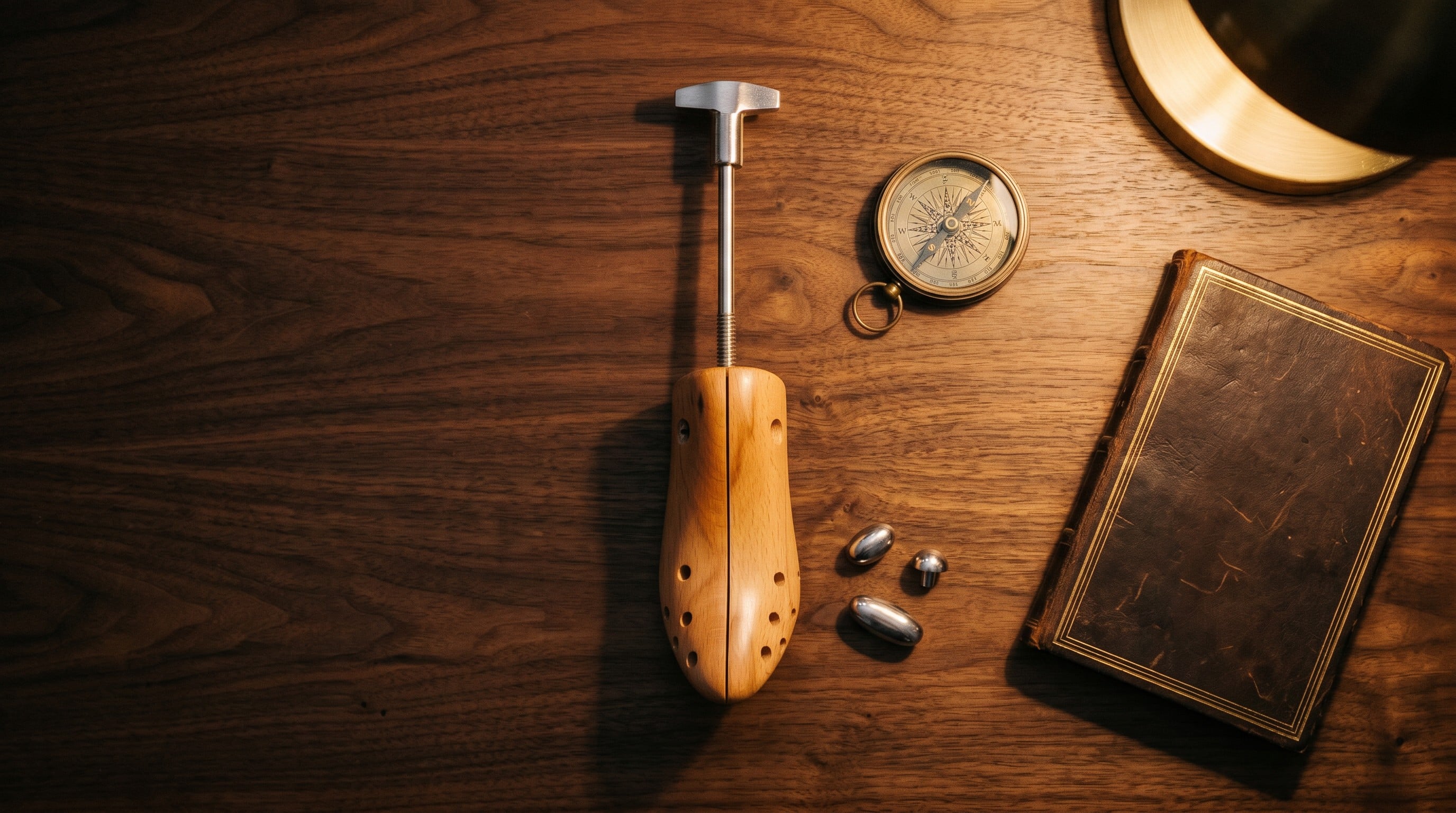
How Wooden Shoe Stretcher Mechanics Work: 2-Way vs. 4-Way Expansion
Length-and-Width (2-Way) Stretching for Targeted Fit Adjustment
A 2-way wooden shoe stretcher expands along two axes—length and width—using a single screw mechanism to push the toe block forward and widen the forefoot. This creates controlled, localized pressure where the shoe binds most tightly, making it ideal for isolated fit issues like bunions, corns, or a narrow toe box. According to 2023 industry data from professional cobblers, most minor fit corrections require adjustment along just one or two axes, and the 2-way model delivers those changes with precision and speed. Its solid wooden frame maintains steady, non-spring-loaded pressure—reducing the risk of leather cracking or fabric overstretching. Because it avoids aggressive multi-axis force, it preserves the original last shape and minimizes stress on seams and sole attachments. It’s especially well-suited for dress shoes and structured casual footwear with subtle fit discrepancies.
Multi-Axis (4-Way) Expansion for Comprehensive Foot Contouring
A 4-way wooden shoe stretcher adds independent control over instep height and toe box depth, enabling true three-dimensional contouring of the shoe’s interior. Separate adjustment points—and optional bunion or corn plugs—allow users to target multiple pressure zones simultaneously: broad forefeet, high insteps, hammertoes, or uneven volume distribution. This design spreads expansion force more evenly across the upper, reducing the risk of concentrated stress that can distort stitching or weaken glued panels. As noted in 2023 podiatric fitting guidance, multi-axis stretching significantly improves comfort for complex or high-volume foot shapes, particularly when used gradually—turning each control in small increments and checking fit after every 8–12 hours. The wooden body also absorbs ambient moisture during use, helping leather relax uniformly. For stiff boots, high-volume athletic shoes, or corrective stretching regimens, the 4-way model delivers a more anatomically accurate fit than 2-way alternatives.
Wood Selection Matters: Cedar, Pine, and Beech in Wooden Shoe Stretcher Performance
Cedar’s Natural Moisture Absorption and Antimicrobial Properties
Cedar is widely favored in premium wooden shoe stretchers due to its open-cell structure, which actively draws moisture from leather linings after wear—slowing adhesive breakdown and stitch deterioration. Its natural thujaplicin oils provide antimicrobial and antifungal protection, reducing odor-causing microbes without synthetic additives. These same compounds act as a mild insect repellent, offering added safeguarding during long-term storage. Cedar remains dimensionally stable in humid environments, resisting warping while sustaining consistent expansion pressure. For frequently worn footwear—or shoes stored in damp closets—a cedar stretcher supports both structural longevity and hygienic performance, all while imparting a clean, woody scent that complements leather care routines.
Density and Grain Structure: Why Beechwood Offers Durability and Pine Delivers Affordability
Beechwood’s high density and tight, uniform grain make it exceptionally resistant to splitting under repeated mechanical stress, giving it superior durability for frequent or heavy-duty use. Its rigidity ensures precise, predictable expansion—especially valuable for structured footwear requiring firm, fine-tuned adjustments. Pine, by contrast, is softer and more porous, making it a cost-effective option for light or occasional use. However, its open grain absorbs moisture less evenly and may show wear sooner with repeated expansion cycles. While pine offers accessibility for basic fit correction, beechwood strikes the optimal balance between strength, smooth surface finish, and long-term reliability—making it the preferred choice for professionals and discerning users who prioritize lasting performance.
Matching the Wooden Shoe Stretcher to Footwear Type and Condition
The right choice depends on the shoe’s construction, material stiffness, and current condition.
Dress Shoes and Structured Boots: Preserving Last Integrity with Precision Stretching
For structured leather shoes and boots—especially those with reinforced toes, heel counters, or brogued detailing—a 2-way wooden shoe stretcher applies even, localized pressure without compromising the integrity of the last. Turn the handle in small increments every 8–12 hours; forcing expansion risks seam splits or panel distortion. Focus adjustments primarily on forefoot width and toe box length, leaving heel counters and vamp tension untouched. After each session, insert a wooden shoe tree to lock in the new shape and absorb residual moisture. Natural leathers and suedes respond predictably, while synthetic materials like polyurethane or vinyl tend to rebound—requiring repeat sessions. Crucially, avoid heat: it accelerates leather drying and increases cracking risk. Always verify stretcher size matches the shoe size before beginning—this disciplined, gradual approach keeps dress shoes polished and boots functionally supportive.
Sneakers, Loafers, and Moccasins: Flexible-Last Adaptation Using Adjustable 4-Way Models
Sneakers, loafers, and moccasins typically feature soft, flexible lasts and bonded or stitched-uppers that adapt readily to multi-axis expansion. An adjustable 4-way wooden stretcher excels here: simultaneous length-and-width adjustment contours the forefoot and toe box without stressing glue lines or stretch-sensitive panels. Bunion or corn attachments allow targeted relief where needed. Because these constructions yield easily, turn the handle only slightly—then reassess fit after 8 hours. Canvas, knit, and supple leathers usually require minimal stretching; overexpansion can loosen the heel cup or create visible bulges. While a 2-way setting works for simple width corrections, the 4-way model provides the most balanced, anatomical fit for unstructured footwear—preserving both aesthetics and functional comfort.
Beyond Sizing: Therapeutic and Restorative Benefits of Wooden Shoe Stretcher Use
A wooden shoe stretcher does more than add space—it serves as a therapeutic tool for foot health. By gently widening specific pressure zones—bunions, corns, hammer toes—it reduces friction-induced blisters, calluses, and skin irritation. Better-fitting footwear also promotes healthier weight distribution across the foot, easing compensatory strain on ankles, knees, and the lower back over time. For individuals managing mild deformities, post-injury swelling, or age-related foot changes, controlled stretching restores wearability without compromising structural integrity. Unlike spring-loaded shoe trees, the screw-action mechanism of a wooden stretcher delivers steady, directional force—enabling repeatable, measurable adjustments. With consistent use, leather gradually conforms to the foot’s natural shape, reducing recurring pressure points. This restorative effect is especially valuable for people with reduced mobility or those spending long hours on their feet—extending the life of trusted footwear while supporting daily foot health.
FAQ
What is the difference between a 2-way and 4-way wooden shoe stretcher?
A 2-way wooden shoe stretcher expands lengthwise and widthwise, perfect for targeted fit adjustments like addressing bunions or narrow toe boxes. A 4-way stretcher, on the other hand, offers additional control over instep height and toe box depth for more comprehensive foot contouring.
What type of wood is best for a shoe stretcher?
Cedar is ideal for its moisture absorption and antimicrobial properties. Beechwood is highly durable and offers precise adjustments, while pine is a budget-friendly but less durable alternative.
How can I choose the right type of shoe stretcher for my footwear?
Consider the shoe type and material. A 2-way stretcher is excellent for structured shoes like dress shoes and boots, while a 4-way stretcher works well for flexible footwear like sneakers or loafers.
Can a wooden shoe stretcher help with foot-related issues?
Yes, wooden shoe stretchers can alleviate discomfort caused by bunions, corns, and other foot issues. They promote better weight distribution and help extend the life of your footwear while improving foot health.
Table of Contents
- How Wooden Shoe Stretcher Mechanics Work: 2-Way vs. 4-Way Expansion
- Wood Selection Matters: Cedar, Pine, and Beech in Wooden Shoe Stretcher Performance
- Matching the Wooden Shoe Stretcher to Footwear Type and Condition
- Beyond Sizing: Therapeutic and Restorative Benefits of Wooden Shoe Stretcher Use
- FAQ