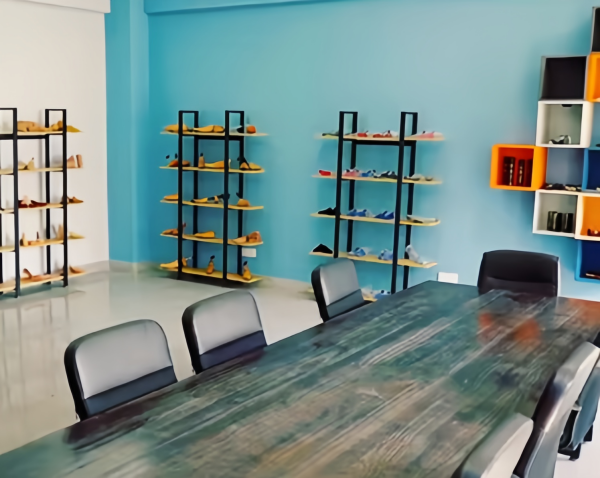
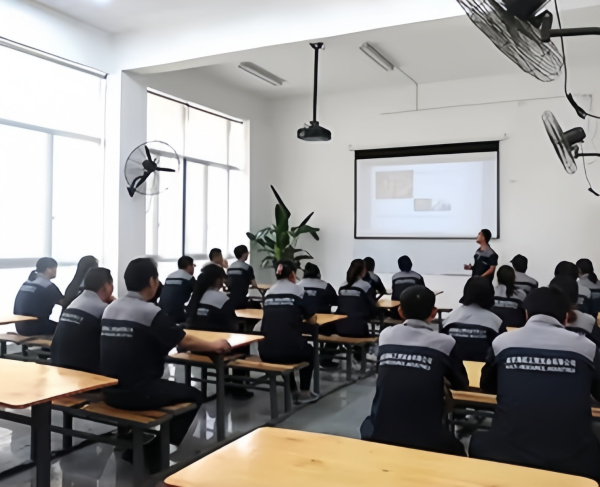
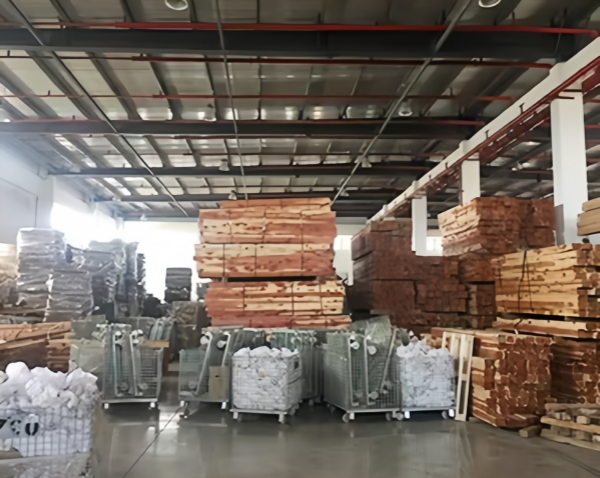
Welcome to Multi-Resource, your professional manufacturer of premium shoe care. For over 30 years, we've crafted durable cedar shoe trees, effective shoe stretchers, and complete shoe shine kits for global brands. Let us help you protect your footwear.
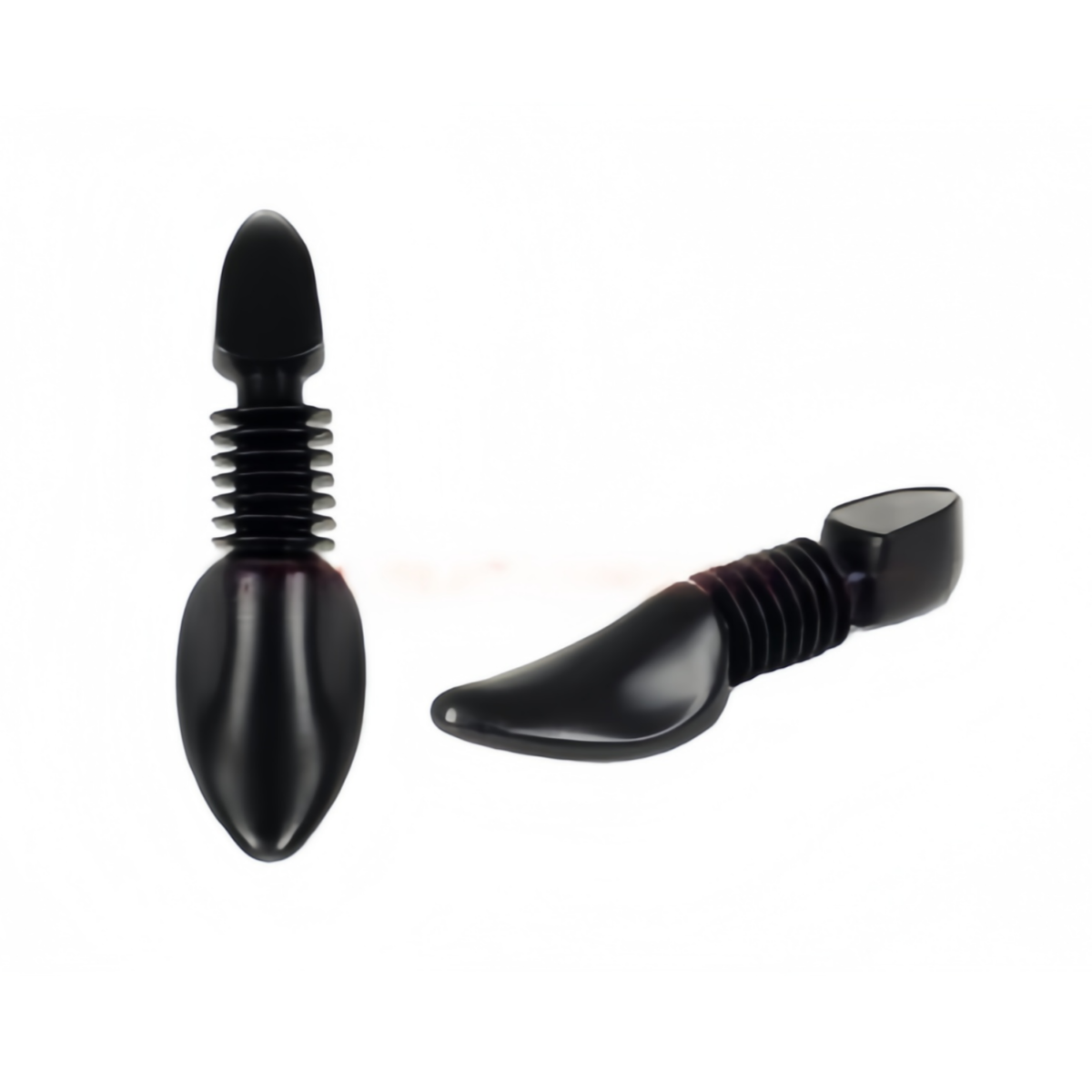
Page Introduction
Shoe trees are indispensable tools in the world of shoe care, designed to preserve the shape, integrity, and lifespan of footwear across all styles—from sleek leather dress shoes to casual sneakers, sturdy boots, and delicate loafers. More than just simple inserts, shoe trees are engineered to address the natural wear and tear that occurs when shoes are not in use, preventing unsightly creases, moisture buildup, and structural deformation that can render even high-quality shoes unwearable over time. This category encompasses a diverse range of shoe trees tailored to different shoe types, materials, and user needs, ensuring there is a perfect solution for every pair of shoes. Whether you’re a professional who relies on polished leather Oxfords for work, a fashion enthusiast with a collection of designer sneakers, or someone who invests in durable boots for outdoor adventures, shoe trees are a non-negotiable addition to your shoe care routine. They work by maintaining the shoe’s original form, absorbing excess moisture (like sweat from feet), and distributing pressure evenly to avoid permanent creases—especially in high-stress areas like the toe box and vamp. As a category, shoe trees blend functionality with craftsmanship, using materials ranging from premium wood to lightweight plastic and memory foam, each offering unique benefits to cater to specific footwear and lifestyle requirements. In this guide, we’ll explore the core advantages of integrating shoe trees into your shoe care regimen, break down the key types of shoe trees available, and highlight the superior craftsmanship that sets high-quality shoe trees apart from generic alternatives.
Core Advantages of Shoe Trees: Why Every Shoe Owner Needs Them
The value of shoe trees lies in their ability to solve common footwear problems that shorten a shoe’s lifespan, while also enhancing comfort and appearance. Below are the key advantages that make shoe trees a must-have for anyone who values their footwear:
- Preserve Shoe Shape & Prevent Creases: One of the most significant benefits of shoe trees is their ability to maintain the shoe’s original shape, especially in the toe box and heel areas. When shoes are worn, the material stretches and bends, and without proper support, they collapse inward, forming deep creases that are not only unsightly but also weaken the shoe’s structure over time. Leather shoes, in particular, are prone to permanent creasing, which can make even expensive pairs look worn out prematurely. Shoe trees insert into the shoe, filling the empty space and holding the material taut, preventing collapse and keeping creases to a minimum. For dress shoes with a sleek silhouette, this means retaining that crisp, professional look for years; for boots, it ensures the shaft remains upright and doesn’t slouch, preserving both style and fit.
- Absorb Moisture & Combat Odor: Feet naturally produce sweat, and when trapped inside shoes, this moisture can lead to a host of issues—including mold growth, mildew, and persistent odors. Moisture also breaks down shoe materials, causing leather to dry out, crack, and lose its suppleness, and fabric to become discolored or brittle. High-quality shoe trees, especially those made from porous materials like cedar, excel at absorbing excess moisture from the shoe’s interior. Cedar shoe trees, in particular, have natural moisture-wicking properties that draw sweat away from the shoe lining, keeping the inside dry and fresh. Additionally, cedar has natural antibacterial and antifungal properties that help eliminate odor-causing bacteria, ensuring your shoes smell clean even after repeated wear. This moisture-absorbing benefit is crucial for anyone who wears shoes for extended periods, such as professionals or athletes.
- Extend Shoe Lifespan & Protect Investments: Footwear—especially high-quality leather shoes, designer sneakers, or specialty boots—can be a significant investment. Shoe trees help protect that investment by slowing down the wear and tear process, effectively extending the shoe’s lifespan by years. By preventing creases, moisture damage, and structural deformation, shoe trees reduce the need for frequent repairs or replacements. For example, a pair of leather dress shoes that might last 1-2 years without shoe trees can easily last 3-5 years with proper support from shoe trees. This makes shoe trees a cost-effective solution, as the relatively small investment in a good pair of shoe trees pales in comparison to the cost of replacing expensive footwear. Even for casual shoes like sneakers, shoe trees prevent the toe box from becoming misshapen, keeping them looking new and fitting comfortably for longer.
- Tailored Solutions for Every Shoe Type: The shoe trees category is highly versatile, with options designed to fit every type of footwear. From narrow dress shoes to wide work boots, from children’s sneakers to women’s high heels, there is a shoe tree specifically crafted to match the shoe’s dimensions and shape. For example, boot trees feature an extended shaft to support the boot’s upper, preventing slouching and creasing along the calf. Sneaker shoe trees often have a more flexible design to accommodate the rounded toe boxes of athletic shoes, while dress shoe trees are sleek and narrow to fit the slim silhouette of Oxfords and loafers. Some shoe trees even come with adjustable components, like spring-loaded toes or extendable heels, allowing them to fit multiple shoe sizes or adjust to the specific shape of a shoe. This versatility ensures that no matter what type of shoes you own, there’s a shoe tree that can provide optimal support.
- Enhance Comfort for Future Wear: Shoes that lose their shape not only look bad but also become uncomfortable to wear. A collapsed toe box can pinch toes, while a slouched heel can cause blisters or instability. Shoe trees maintain the shoe’s original fit by keeping the interior structure intact, ensuring that every time you put on your shoes, they feel as comfortable as the first wear. For leather shoes, shoe trees also help the material “breathe” and retain its suppleness, preventing it from becoming stiff and uncomfortable. Additionally, by absorbing moisture, shoe trees keep the shoe lining dry, reducing the risk of irritation or blisters caused by damp fabric against the skin.
Key Types of Shoe Trees: Matching the Right Style to Your Footwear
The shoe trees category is diverse, with each type engineered to address the unique needs of different footwear styles. Understanding the different types of shoe trees helps you choose the perfect option for your collection:
- Cedar Shoe Trees: Considered the gold standard in shoe care, cedar shoe trees are favored for their natural moisture-absorbing and odor-fighting properties. Made from high-quality cedar wood (often eastern red cedar), these shoe trees are porous, allowing them to draw excess sweat from shoe linings while releasing a fresh, woody scent that masks odors. Cedar also has natural oils that repel insects like moths, which can damage leather and fabric. Cedar shoe trees are ideal for leather dress shoes, loafers, and boots, as they provide firm support to prevent creases while nourishing the leather indirectly. They are available in both standard and adjustable designs, with some featuring a split toe to accommodate different toe box shapes. While cedar shoe trees are slightly more expensive than plastic alternatives, their durability and multiple benefits make them a favorite among shoe enthusiasts.
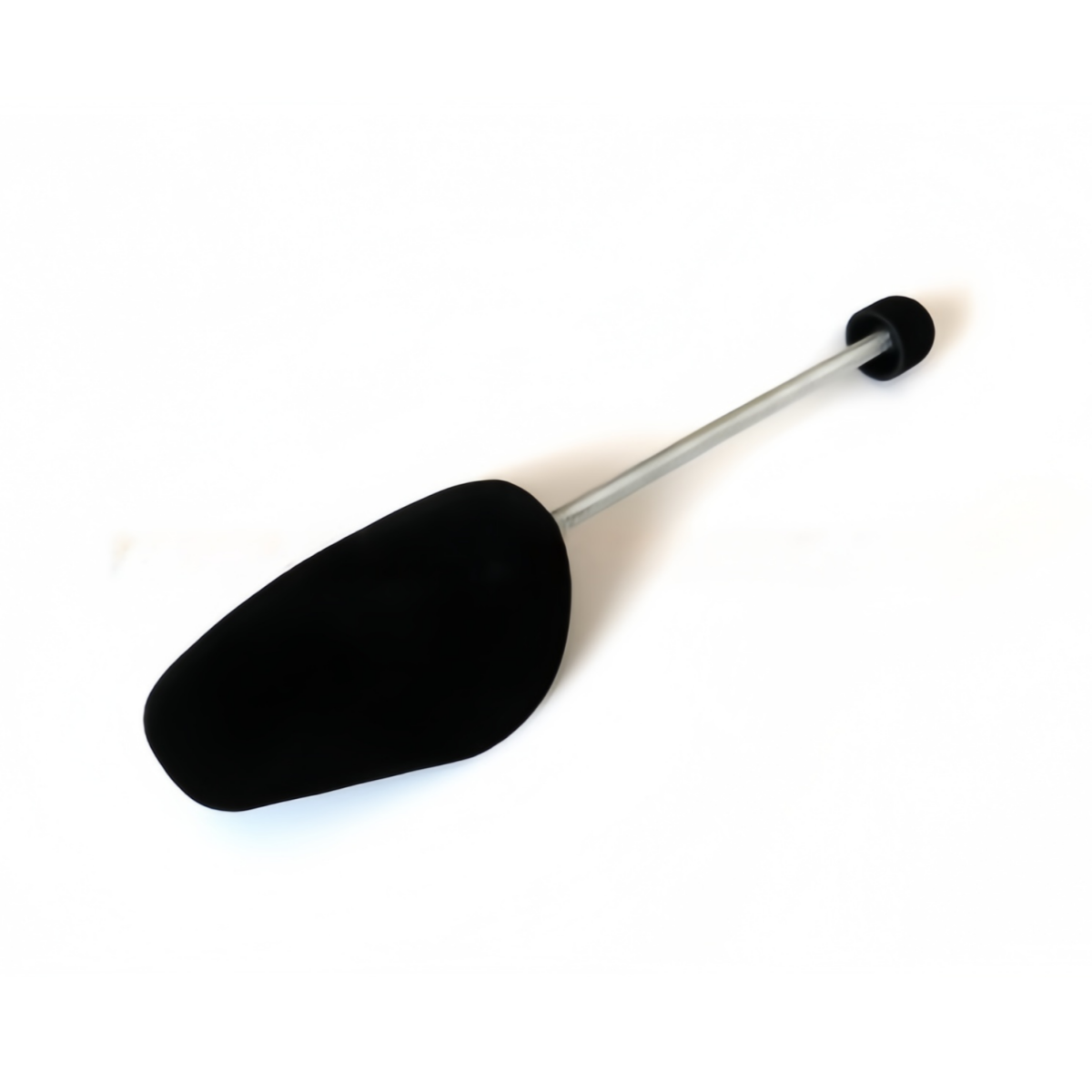
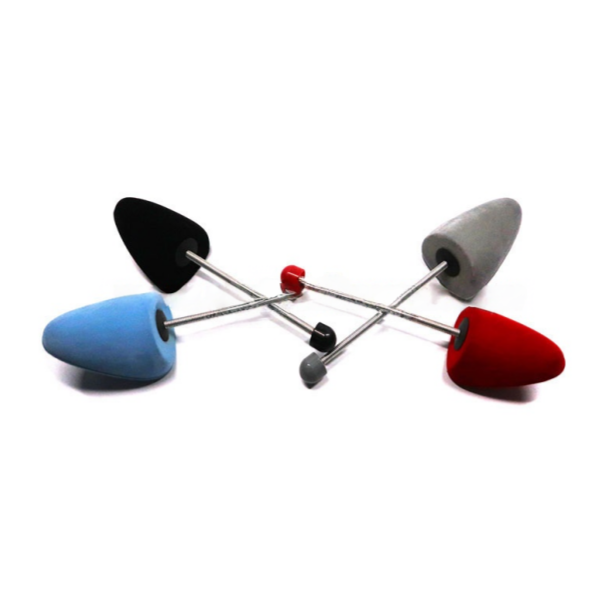
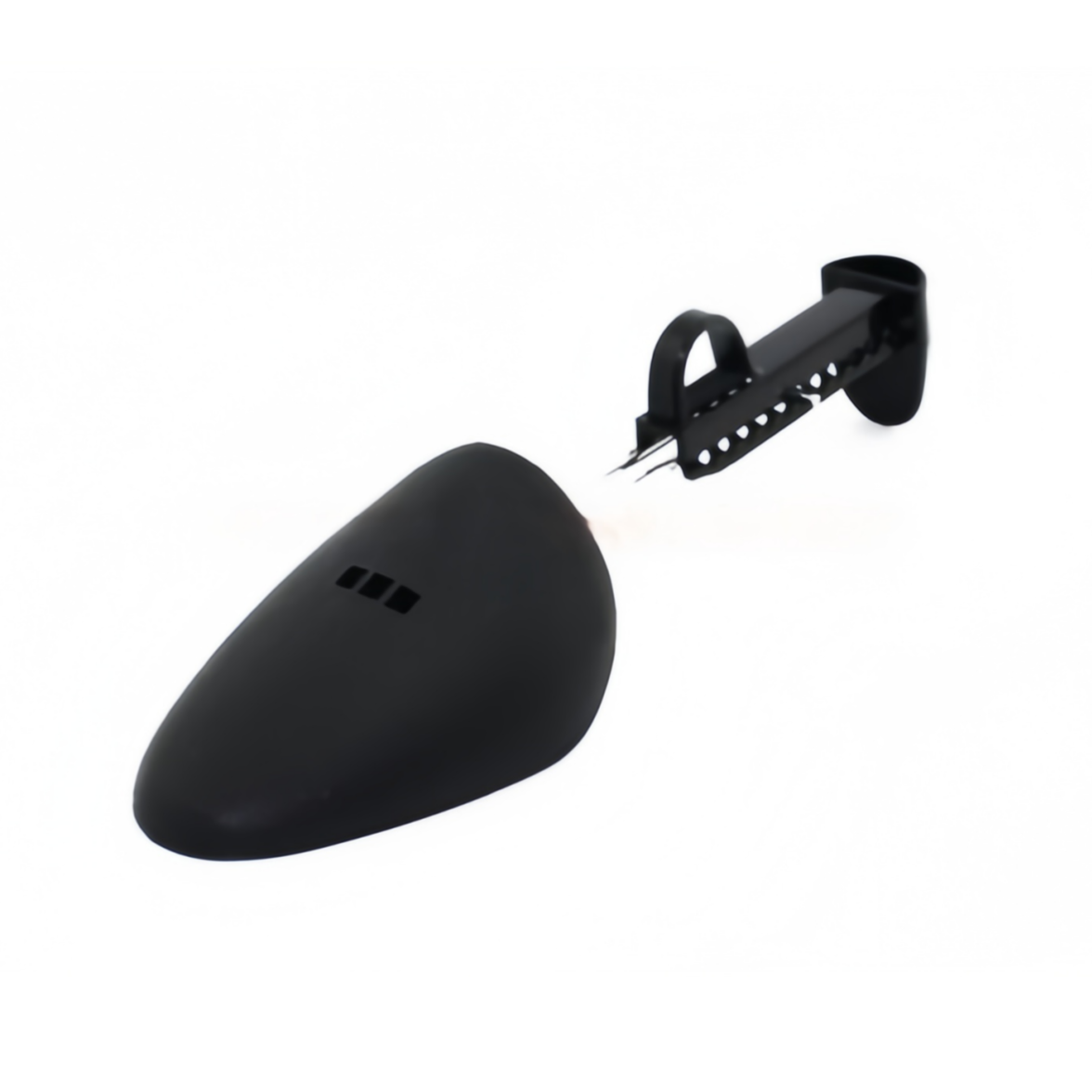
- Plastic Shoe Trees: Lightweight, affordable, and durable, plastic shoe trees are a practical choice for casual footwear like sneakers, canvas shoes, and children’s shoes. They are often made from high-density plastic that provides adequate support to prevent creasing, without the added cost of wood. Many plastic shoe trees feature a hollow design to reduce weight, making them easy to store and transport. Some models also come with ventilation holes to promote air circulation, helping to reduce moisture buildup. Plastic shoe trees are available in a wide range of sizes and shapes, including designs tailored for sneakers, boots, and even high heels. They are a great option for anyone on a budget or for those who need shoe trees for a large collection of casual shoes.
- Boot Shoe Trees: Specifically designed for boots, these shoe trees feature an extended shaft that reaches up into the boot’s upper, providing support to prevent slouching and creasing along the calf and ankle areas. Boot shoe trees are available in both cedar and plastic varieties, with cedar options offering the added benefit of moisture absorption. They often have a adjustable heel or shaft length to fit different boot heights, from ankle boots to knee-high styles. For work boots or hiking boots, which are often made from thick, heavy leather, boot shoe trees are essential to maintain shape and prevent the shaft from becoming misshapen when not in use. They also help to absorb moisture from the boot’s interior, which is especially important for boots worn in wet or muddy conditions.
- Adjustable Shoe Trees: Ideal for those with shoes of varying sizes or unusual shapes, adjustable shoe trees feature components that can be modified to fit different footwear. Common adjustable features include spring-loaded toes that expand to fill the toe box, extendable heels that adjust to different shoe lengths, and split toes that can accommodate both narrow and wide toe boxes. These shoe trees are available in both cedar and plastic, making them versatile for use with dress shoes, sneakers, and boots. Adjustable shoe trees are a great investment for families, as they can be used by multiple people with different shoe sizes, or for anyone who owns shoes with slightly different dimensions (like a pair of narrow dress shoes and a pair of wide sneakers).
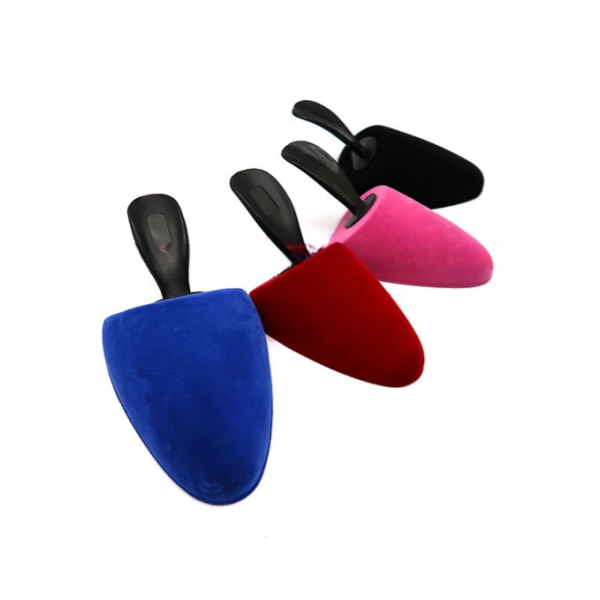
- Memory Foam Shoe Trees: For delicate footwear like women’s high heels, ballet flats, or designer sneakers with intricate details, memory foam shoe trees offer a gentle yet effective solution. Made from soft, moldable memory foam, these shoe trees conform to the exact shape of the shoe, providing support without putting pressure on delicate materials or embellishments. They are lightweight and flexible, making them easy to insert into shoes with narrow or irregular shapes. Memory foam shoe trees also absorb moisture, though not as effectively as cedar, and are machine washable for easy maintenance. They are perfect for shoes that require a more delicate touch, ensuring they retain their shape without being damaged by rigid supports.
Craftsmanship & Material Excellence: What Makes High-Quality Shoe Trees Stand Out
The effectiveness of shoe trees hinges on their craftsmanship and the materials used, with high-quality options designed to provide long-lasting support while complementing the shoe’s material. Below are the key craftsmanship and material selling points that define premium shoe trees:
Premium Materials for Optimal Performance
High-quality shoe trees start with superior materials that balance support, durability, and functionality. For cedar shoe trees, top manufacturers use eastern red cedar or western red cedar, which are known for their high porosity (ideal for moisture absorption) and natural resistance to decay. The wood is carefully selected to ensure it has a consistent grain, which prevents splitting or warping over time. Some premium cedar shoe trees are also treated with natural oils to enhance their moisture-wicking properties and extend their lifespan. For plastic shoe trees, high-density polyethylene (HDPE) is the material of choice, as it is rigid enough to provide support while being lightweight and resistant to cracking. Premium plastic shoe trees also avoid cheap, brittle plastics that can break easily or leave marks on shoe interiors. Memory foam shoe trees use high-density memory foam that retains its shape after repeated use, rather than low-quality foam that flattens out over time.
Precision Engineering for Perfect Fit
The best shoe trees are engineered to mimic the natural shape of a foot, ensuring they fit snugly inside the shoe without being too tight (which can stretch the material) or too loose (which fails to provide adequate support). Premium shoe trees feature a contoured design that follows the curve of the shoe’s toe box, vamp, and heel, distributing pressure evenly to prevent creases in high-stress areas. For example, dress shoe trees often have a slightly pointed toe to match the shape of Oxfords or Derbies, while sneaker shoe trees have a more rounded toe to fit athletic styles. Manufacturers also pay close attention to sizing, offering shoe trees in half-sizes (like 8.5 or 9.5) to ensure a perfect fit for every shoe. Some high-end shoe trees even come with a “last” design that matches the specific last (the mold used to make the shoe) of popular shoe brands, ensuring an exact fit that preserves the shoe’s original shape.
Thoughtful Design Details for Added Value
Premium shoe trees include small but impactful design details that enhance their functionality and ease of use. Many cedar shoe trees feature a brass or stainless steel handle on the heel, making them easy to insert and remove without damaging the shoe’s interior. Some models also have a split toe design, which allows the shoe tree to expand slightly to fit different toe box widths while maintaining support. For boot shoe trees, adjustable shaft lengths are a key detail, with a locking mechanism that keeps the shaft extended to the perfect height for the boot. Ventilation holes are another common feature in both plastic and cedar shoe trees, promoting air circulation to speed up moisture evaporation. High-quality shoe trees also have smooth, sanded edges (especially for wood models) to prevent scratches or damage to the shoe’s lining, ensuring the shoe is protected both inside and out.
Sustainable & Durable Construction
In today’s eco-conscious market, many premium shoe tree manufacturers prioritize sustainable practices without compromising on quality. For cedar shoe trees, this means using responsibly sourced wood from certified forests, ensuring the material is renewable and harvested ethically. Some brands also use recycled materials for plastic shoe trees, reducing their environmental impact. Durability is another key focus, with high-quality shoe trees designed to last for years—even with regular use. Cedar shoe trees, when properly cared for (occasionally sanded to refresh their moisture-absorbing properties), can last a decade or more, while premium plastic shoe trees resist cracking and warping for multiple years. This durability not only makes shoe trees a sustainable choice (reducing the need for frequent replacements) but also ensures they provide consistent support for your shoes over time.
In conclusion, shoe trees are a vital category for anyone who wants to preserve the quality, shape, and lifespan of their footwear. From premium cedar shoe trees that nourish leather and fight odors to lightweight plastic options for casual shoes, there is a shoe tree to fit every need and budget. The core advantages of shoe trees—preventing creases, absorbing moisture, extending shoe lifespan, and enhancing comfort—make them an essential investment for shoe owners of all types. When choosing shoe trees, look for premium materials, precision craftsmanship, and thoughtful design details that align with your specific footwear collection. With the right shoe trees, you can keep your shoes looking and feeling like new for years to come.
Multi-Resource Industries Company Limited (Nanjing) is the leading professional manufacturer of wooden shoe trees and wooden shoe stretchers in China, and is also the key supplier of many renowned shoe brands and shoe care brands across the globe. Our company was founded in 1996, and has since specialized in manufacturing wooden shoe trees, wooden shoe stretchers, and other wooden products such as hangers, shoe care valet boxes and shoe horns.
We provide comprehensive OEM services to manufacture products according to your exact specifications. Utilizing our premium wood sources like US cedar and European beech, we produce everything from cedar shoe trees to boot stretchers. We ensure your private label, including custom packaging and logo, is applied with precision, backed by our strict quality control for consistent brand excellence. Leverage our expert ODM capabilities for innovative and market-ready solutions. Our team offers end-to-end support, from conceptualizing new shoe care products like unique shoe horns or valet boxes to engineering efficient designs. We manage the entire process, including prototyping and sampling, helping you launch distinctive products swiftly and efficiently with low MOQ flexibility.
 EN
EN